Power of a Smile in First Impressions and Social Connections

Your smile is often the first thing people notice about you. A warm, genuine smile can leave a lasting impression before you say a single word. Nearly half of adults say an attractive smile is the most memorable part of meeting someone for the first time.
But smiling isn’t just about how you look—it has a real impact on how people feel around you. Let’s explore how smiling shapes first impressions and helps build meaningful social connections. Learn about the personal benefits of smiling (from boosting your mood to reducing stress) and what you can do if you’re not confident in your smile.
So, let’s dive in and discover the amazing impact of your smile!
Why Smiling Matters So Much in First Impressions
First impressions form in seconds, and your smile plays a starring role in those moments. A genuine smile can instantly communicate warmth, confidence, and openness – qualities that people universally appreciate when meeting someone new.
Here’s why your grin matters so much in first encounters:
- It’s Memorable: According to a recent survey, 48% of adults believe a smile is the most memorable feature of a first meeting – more memorable than what you said. In other words, an authentic, pleasant smile sticks in people’s minds. They may forget your name—but they’ll remember how your smile made them feel.
- Instantly Conveys Positivity: Smiling is usually perceived as a sign of positivity and optimism. When you smile at someone, you’re silently saying, “I’m glad to be here with you.”
- Builds Trust and Approachability: A smiling face is commonly associated with trustworthiness. In a national survey , more than two-thirds (68%) of people said that folks who smile appear more trustworthy, confident, and approachable. In fact, many people say a smile is the most influential physical feature in a first impression.
- Enhances Attractiveness: People who smile are often rated as more attractive and likable than those who don’t. A cheerful expression naturally draws others in. It’s like an instant glow—no makeup or filters required.
- Sets the Tone for Interaction: Whether you’re on a first date or meeting a new colleague, flashing a sincere smile as you say hello can diffuse nervousness on both sides. Conversely, if you keep a stiff or neutral expression, the other person might feel unsure of your mood or interest. Starting with a smile tilts the odds in favor of a friendly, productive encounter right from the outset.
Key takeaway: Your smile is one of your best assets for making a positive first impression. It’s like wearing an outfit of friendliness and confidence that people notice immediately. So when in doubt, smile! It’s an easy way to put your best foot (or rather, face) forward.
How Smiling Helps Build Stronger Social Bonds?
Have you ever noticed how infectious a smile can be? When someone smiles at you, it’s hard not to smile back. That simple exchange can spark a connection between two people – even strangers – in an instant. Smiling is deeply social, and here’s how it helps build and strengthen our relationships:
Smiles are Contagious
Science confirms the old saying, “Smile, and the world smiles with you.” When you see someone beam at you, your brain often prompts you to mirror that expression and smile in return. This reaction is almost automatic—our brains are wired to copy the expressions we see.
By smiling, you’re subtly encouraging others to join in a shared positive emotion. It’s like starting a chain reaction of warmth and positivity. Research on emotional contagion shows that one person’s smile truly can uplift the mood of others, bringing a group onto the same cheerful wavelength.
Creates Empathy and Connection
Smiling doesn’t just spread a good mood – it also signals empathy and understanding. In conversation, a smile (especially when someone else smiles) is a non-verbal way of saying “I get you” or “I’m with you.” When we smile back, it shows we’re comfortable, engaged, and enjoying the interaction.
By reciprocating a smile, you’re showing that you’re engaged and positive about the interaction. This mutual exchange builds rapport and a feeling of togetherness. Over time, these small moments of shared smiles can deepen into genuine friendships and trust.
Find Ultimate Smile Designers
Signals Trust and Friendship
A genuine smile is often interpreted as a sign of openness and trustworthiness. When you smile at someone, you indicate “I mean no harm.” This can dissolve social barriers quickly.
Strangers who exchange smiles tend to view each other more favorably and are more likely to engage in friendly interaction. In fact, studies have found that smiling can make you appear more trustworthy and likable to others. This builds a network of goodwill around the smiler, reinforcing social bonds in families, friend circles, and workplaces.
Fosters Teamwork and Cooperation
Ever notice how much easier it is to work with someone who smiles and has a positive attitude? In group projects or teamwork, a person who smiles can help maintain a friendly, cooperative atmosphere.
Smiling shows support and creates a sense of togetherness. This supportive vibe encourages cooperation and trust among team members or peers. Teams that smile and laugh together usually communicate better and work more smoothly.
In summary, smiling is social glue. It initiates positive cycles of interaction – you smile, they smile, everyone feels a bit happier and closer. As one study succinctly put it, “one’s smile affects the other’s, and vice versa, thus contributing to building good interpersonal relationships and social bonds”.
The Personal Benefits of Smiling: Mood, Confidence & Health
Beyond impressing others or bonding with them, smiling has some amazing benefits for you, too. It’s not just an outward expression of joy – it can actually create joy and improve your well-being from the inside out. Here are some science-backed benefits of smiling for your mood, health, and self-confidence:
- Improves mood instantly: Smiling triggers feel-good chemicals in the brain, helping you feel happier and more relaxed.
- Reduces stress naturally: A smile lowers tension and helps calm the nervous system during stressful moments.
- Boosts self-confidence: When you smile, you feel more assured and appear more confident to others.
- Supports emotional balance: Smiling helps you feel calmer and more emotionally steady during daily interactions.
- Supports better health: Regular smiling is linked to lower stress hormones and improved overall well-being.
- Increases social comfort: Smiling makes interactions feel easier and more natural, even in unfamiliar settings.
- Builds a positive self-image: When you like your smile, you naturally feel better about yourself.
In short, smiling is good for you – mentally, physically, and emotionally. Over time, developing a habit of smiling and looking on the bright side can fundamentally improve your outlook on life. You’ll likely find yourself coping with challenges better and attracting positive experiences and people. All from simply turning that frown upside down!
Overcoming Smile Insecurities: Gaining Confidence in Your Smile
By now, we’ve established that a smile is incredibly powerful. But what if you don’t feel comfortable smiling? For many people, this is something they quietly struggle with.
If you often suppress your smile or cover your mouth when laughing, you’re not alone. Studies show a large number of people are unhappy with how their smile looks. In fact, surveys show that many people—nearly 3 out of 5—don’t like how their smile looks in photos.
Common reasons for smile insecurities include:
- Tooth discolouration: Stains or yellowing can make people feel uncomfortable smiling openly.
- Crooked or Misaligned Teeth: If your teeth are not straight, you might worry that it’s the first thing others notice. Crowded or gapped teeth can be a source of embarrassment, especially in cultures where straight teeth are considered ideal.
- Chipped, worn, or missing teeth: Even a small chip can affect how confident someone feels about smiling. Likewise, missing teeth might make you self-conscious about laughing or speaking.
- Gummy Smile: Some people have a smile that shows a lot of gum tissue above the teeth. While there’s nothing medically wrong with this, you might feel it’s less attractive and try not to smile too widely.
- Uneven Teeth or Tooth Shape: Maybe one tooth is noticeably smaller, or you have some teeth longer than others, giving a jagged smile line. Even minor imperfections (that others might not notice) can feel huge to us individually and make us shy away from grinning.
If any of these resonate with you, take heart: you don’t have to live like this forever. Modern dentistry and cosmetic smile design have advanced tremendously. Just as there are ways to improve your skin or fitness, there are highly effective ways to improve your smile. No one should have to hide their happiness because of imperfect teeth – especially since “perfect” teeth are a lot rarer than social media would have us believe! Most of us have something we wish we could change about our smile. The good news is, you can change it.
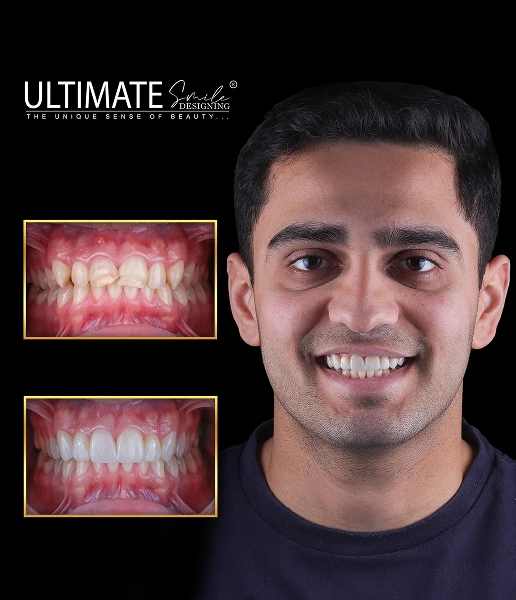
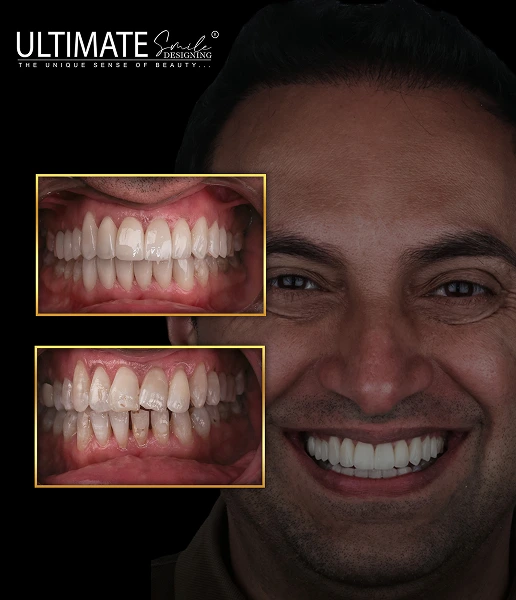
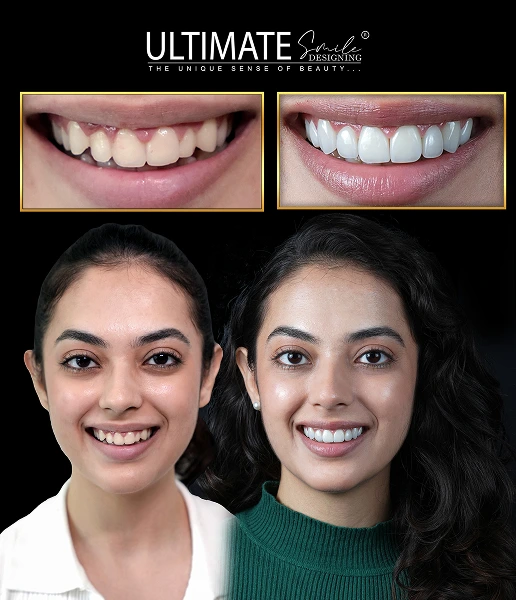
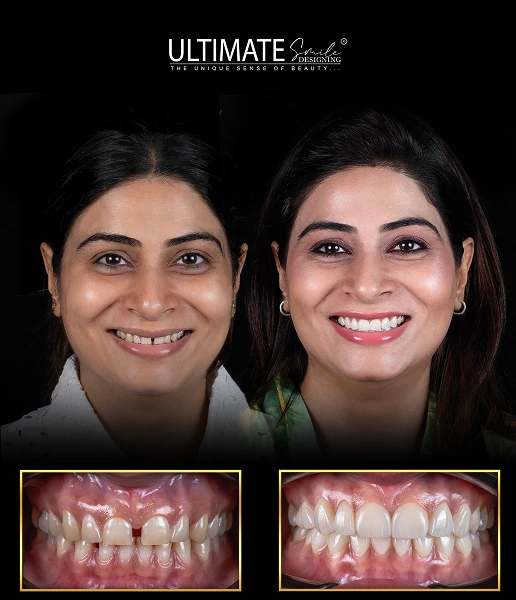
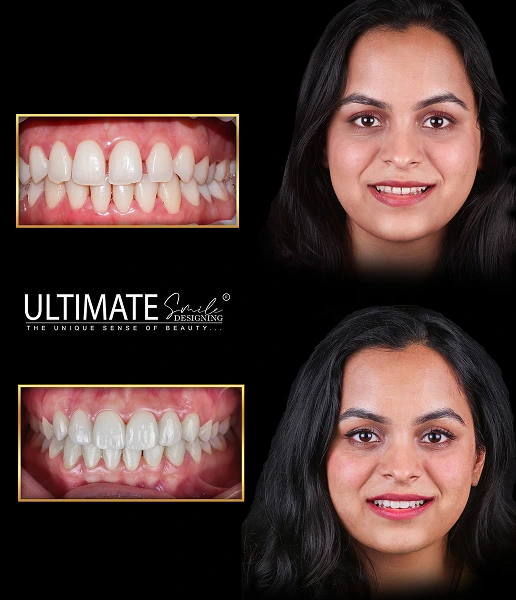
One effective option for people unhappy with their smile is a smile makeover—a personalised approach that improves multiple dental concerns together. Instead of tackling one tooth at a time, a smile makeover looks at your entire smile and plans out improvements holistically. Ultimate Smile Design is one such complete smile makeover solution (and a leading one in India).
If you’re considering a path like this, it’s wise to do a bit of homework: consult with a reputable cosmetic dentist near you (or a few, for opinions), ask to see before-and-after cases, and discuss what results are realistic for you. Many dentists offer initial consultations for smile makeovers either free or at a nominal fee, so you can gather information.
Whether you choose Ultimate Smile Design or another cosmetic dental solution, know that you have options. You don’t have to settle for a smile that makes you unhappy or holds you back. With today’s technology and skilled practitioners, your dream smile could very much be within reach. And once you have a smile you’re proud of, you might be amazed at how often you’ll want to share it – and how the world responds in kind.
FAQs (Frequently Asked Questions)
- Q. How quickly does a smile affect our judgment when meeting someone for the first time?
A. A smile influences judgment almost instantly—within a few seconds of first eye contact. Before words matter, the brain uses facial expressions to decide whether someone feels friendly, safe, or approachable. A genuine smile quickly creates a positive emotional shortcut in the mind. - Q. How does a smile influence first impressions in interviews or meetings?
A. In interviews or meetings, a smile signals confidence, openness, and emotional control. It helps the other person feel comfortable and receptive, making you appear more competent and trustworthy even before you speak. - Q. Why do people remember smiling faces more easily?
A. Smiling faces trigger positive emotions in the brain, which strengthens memory. When a person makes us feel good emotionally, the brain gives them higher importance, making their face easier to recall later. - Q. Why is a smiling first impression hard to forget?
A. A smiling first impression combines emotion with visual memory. Because emotions strongly influence how memories are stored, a warm smile leaves a lasting mental imprint that feels pleasant and familiar. - Q. Why does a smile often feel like an invitation to connect?
A. A smile is a non-verbal signal that says, “You’re welcome here.” It reduces uncertainty and signals openness, encouraging others to start a conversation or feel comfortable approaching you. - Q. Why does a smile create a sense of openness between strangers?
A. Between strangers, a smile removes emotional distance. It shows peaceful intent and friendliness, helping both people relax and lowering the natural social guard we carry around unfamiliar faces. - Q. Why do people often associate smiling with trust and safety?
A. From an early age, humans learn that smiles usually indicate positive intent. A smile reassures the brain that there is no threat, making the person appear safer, kinder, and more reliable. - Q. How does a smile affect emotional comfort in unfamiliar social situations?
A. In new or unfamiliar situations, a smile helps reduce anxiety for both sides. It creates emotional reassurance, making interactions feel less awkward and more natural, even when words are limited. - Q. Can a first impression created by a smile influence long-term relationships?
A. Yes. First impressions shape emotional expectations. A smile-based first impression often leads to more openness, trust, and positive interactions over time, which can strengthen long-term personal and professional relationships. - Q. Why are smiling people perceived as more cooperative?
A. Smiling suggests willingness to engage and collaborate. People subconsciously link smiles with helpfulness and teamwork, making smiling individuals appear easier to work with and more supportive. - Can a smile override initial biases or stereotypes during first meetings?
A. A genuine smile can soften initial biases by creating emotional warmth. While it may not erase stereotypes completely, it often opens the door to fairer judgment and deeper understanding. - Why do smiling professionals seem more confident?
A. A. Smiling professionals appear confident because a relaxed smile signals self-assurance and emotional stability. It shows they are comfortable in their role, which makes others trust their abilities more.
Conclusion
A smile is more than just an expression—it’s a powerful human signal that shapes first impressions and brings people closer. When you smile confidently, people respond with warmth, openness, and comfort, creating stronger personal and professional relationships.
If you feel hesitant to smile because of dental concerns, improving your smile can transform how you see yourself and how others see you. If dental concerns hold you back from smiling, improving your smile can be life-changing. Explore Ultimate Smile Design and connect with expert smile designers near you to begin your journey with confidence.
FAQs
A genuine smile is memorable—almost half of adults say it’s the most memorable feature of a first meeting. It conveys positivity, builds trust and approachability, enhances attractiveness and sets a friendly tone for conversation.
Smiles are contagious and encourage shared positive emotions, signal empathy and connection, convey openness and trust, and foster teamwork and cooperation. Smiling acts like social glue, creating positive cycles of interaction.
Smiling instantly boosts mood and reduces stress. It builds self-confidence, supports emotional balance and better health, increases social comfort, and helps form a positive self-image and outlook.
Insecurities often stem from tooth discoloration, crooked or missing teeth, gummy smiles or uneven tooth shapes. Modern cosmetic dentistry offers personalized smile makeovers to address multiple concerns, and consulting a cosmetic dentist can help determine realistic solutions.
A relaxed smile signals self-assurance and emotional stability. It shows professionals are comfortable in their role, which increases others’ trust in their abilities.


With over 20 years of unparalleled experience at the forefront of digital dental technology, I’m passionate about elevating dental care through state-of-the-art dental technologies. I remain dedicated to empowering dentists and practitioners by providing cutting-edge custom dental solutions that combine artistry, efficiency, and predictability, continuously exploring AI-driven design to shape the future of restorative dentistry.
Smile Design Before & After