Smile Language: What Your Smile Says About You Without Speaking
Snapshot
- Silent Social Signals: Smile language plays a key role in non-verbal communication, conveying emotions and intent without spoken words.
- Emotional Authenticity: Subtle facial muscle movements help distinguish genuine smiles from social or masked expressions.
- Psychology in Action: Smile perception is closely linked to trust and emotional intelligence in everyday interactions.
- Cultural Context Matters: The meaning of a smile can vary across cultures, social settings, and professional environments.
- Impact on First Impressions: How and when we smile influences personal perception, relationships, professional credibility, and emotional intelligence.
Synopsis
Smile language is how your smile functions as a silent communication tool. While commonly associated with joy, smiles can also express politeness, discomfort, restraint, or even disapproval.
Subtle muscle movements, particularly around the eyes, play a decisive role in emotional interpretation. Context, culture, and individual behaviour strongly influence how a smile is both expressed and perceived.
Your smile is more than just a facial expression—it’s a powerful form of nonverbal communication. In fact, smiling is often called a universal language. A genuine grin can instantly convey joy and friendliness, while a nervous or forced smile might signal hidden feelings.
A true happy smile (the Duchenne smile) engages not just the mouth but also the eyes, creating crow’s feet around the eyes. In contrast, many everyday smiles are polite social gestures that don’t necessarily reflect real happiness. By learning the “smile language,” you can understand the rich messages your grin conveys without a single word.
Over time, stronger smiles are linked to positive outcomes: one study found that people with genuine Duchenne smiles in old yearbook photos were more likely to have long, happy marriages and even longer lives. Untrained observers naturally pick up on these cues too – people seeing a true Duchenne smile will tend to attribute friendliness, sincerity, and positive traits to the smiler. Achieving a perfect, genuine smile with smile designing can help make a lasting first impression.
Smile Science: How Your Brain Interprets Smiles
When you see someone smile, your brain processes it instantaneously. Sensors in your eyes detect the upturned lips and smiling eyes, sending signals to your limbic system (the emotion center of the brain). Studies show that even a small smile in another person triggers your brain’s own reward circuits, often making you smile back. That’s part of why smiles are contagious.
Psychology research emphasizes how the specific muscles in a smile matter. A true Duchenne smile involves the zygomaticus major muscle (pulling up the mouth corners) and the orbicularis oculi muscle (crinkling the eyes). Duchenne observed that only genuine positive emotion can engage the eye muscles.
Since then, experts like Paul Ekman have confirmed that only a Duchenne smile reliably indicates real enjoyment . Other smiles often lack eye engagement, signaling something different. In fact, psychologists now know that different smiles serve distinct social functions – some reward others, some show affiliation, and others display dominance or submission.
Despite being universal, culture influences how we smile. In India and many places, a friendly smile is a sign of warmth and respect. But as one global communication study notes, in some cultures a big grin might even convey discomfort or irony. This shows why context matters in smile language.
Still, across cultures, smiling is largely positive: a sincere smile in a meeting or negotiation builds trust, and leaders often use gentle smiles to ease tension or signal cooperation. In short, smiling usually “opens doors” in social interactions.
What is the Psychology of Smiling at Someone?
Smiling at another person activates mirror neurons in the brain. These neurons enable observers to subconsciously mimic and interpret facial expressions, facilitating their ability to judge emotional intent.
- Signals approachability and social openness: Smiles are commonly perceived as signs of friendliness and low threat.
- Triggers emotional recognition in observers: The brain quickly processes smiles to interpret mood and intent.
- Encourages reciprocal social behaviour: Smiles are often mirrored unconsciously, supporting smoother social interaction.
- Influences trust and cooperation: Genuine smiles are linked to sincerity and collaborative intent.
- Helps regulate social tension: Smiling can reduce discomfort in awkward or uncertain situations.
Find Ultimate Smile Designers
What is Smile Language?
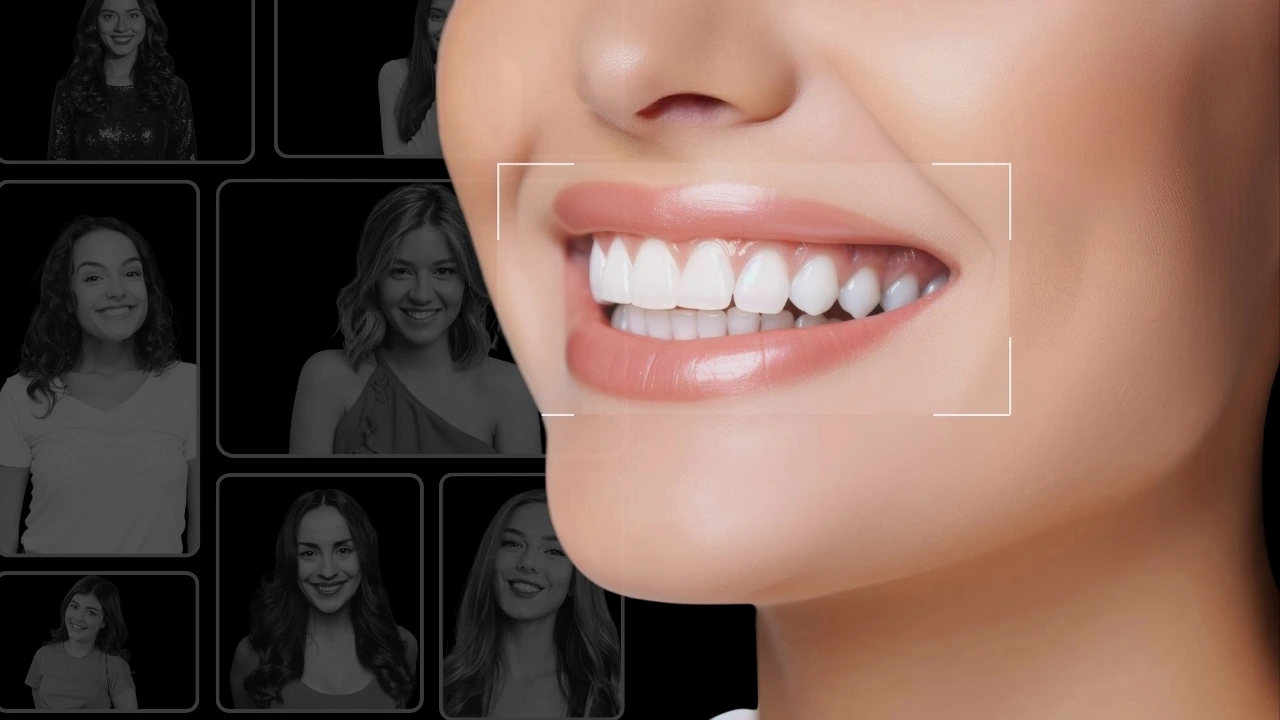
Smile language is a recognised subset of non-verbal communication within social psychology and behavioural science. It examines how facial muscles convey emotional authenticity or social intent without spoken words.
Key foundations of smile language include:
- Coordinated facial muscle activity controlled by the facial nerve
- Both biology and learned behaviour shape emotional expression
- Cultural norms that influence when and how smiling is appropriate
- Environmental factors such as professional settings or social hierarchy
- Some smiles arise instinctively, while others develop as adaptive social responses over time.
What are the Different Types of Smiles?
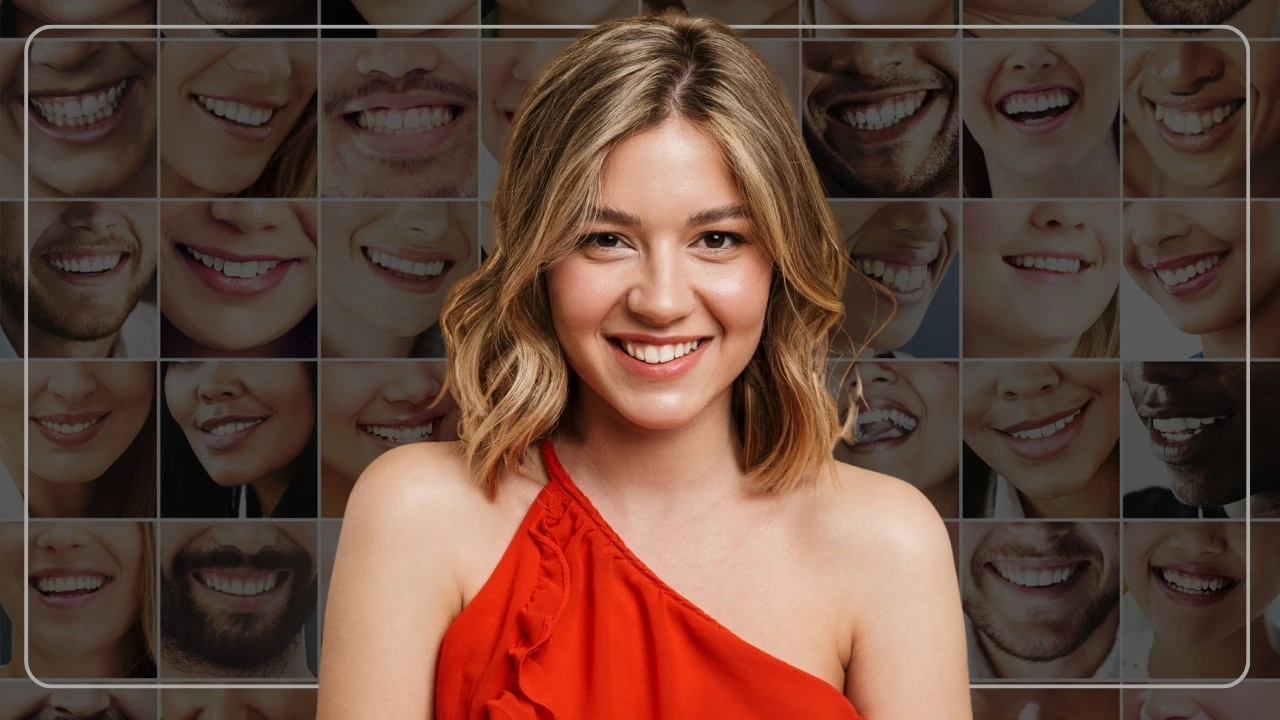
The different types of smiles can be categorised by facial muscle engagement, mouth shape, and context. Studies on smile behaviour analysis distinguish between enjoyment smiles and non-enjoyment smiles, each serving a specific emotional or social function.
- Genuine (Duchenne) Smile – The joy smile. This full, warm smile lights up the face. The mouth turns up and the eyes narrow. It signals true happiness, friendliness, and trust. Research links strong Duchenne smiles with positive traits like kindness, authenticity, and even better long-term relationships.
- Polite/Social Smile – The courteous smile. A gentle, “closed-mouth” or mild grin that hides true feelings. It uses the mouth muscles but not the eyes. You often see this when greeting someone or being polite. It conveys friendliness and respect but not intense emotion. These polite smiles keep a healthy personal distance: they show you mean well, but you’re not deeply excited.
- Pan Am/Forced Smile – The fake grin. Named for the airline flight attendants who had to smile all the time. This is a broad, toothy smile that looks strained or unnatural. Often, the eyes stay wide while the mouth forces into a grin. Pan Am smiles signal anxiety, discomfort, or a desire to mask tension. The body usually tenses up; in fact, studies show fake smiling under stress raises heart rate and stress hormone levels in observers.
- Reward Smile – The delighted smile. This full-bodied grin comes from genuine positive feelings – contentment, pride, or joy. It activates a lot of facial muscles, including the cheeks and eyes, and can spur the brain’s dopamine centers in everyone who sees it (like a baby smiling at a mother). It essentially “rewards” both the smiler and the observer, reinforcing good emotions.
- Affiliative Smile – The friendly smile. A soft, warm smile is used to show trust, acceptance, and belonging. It might involve slightly upturned lips and sometimes dimples. Affiliative smiles reassure others and build social bonds; they tell people, “I’m friendly, you can relax.” They may even feature a gentle lip press – a subtle cue that you mean no harm.
- Dominance/Smirk – The “I’m better” smile. One side of the mouth lifts, or the grin is lopsided. It often comes with a raised eyebrow or exposed eye whites. This type of smile conveys superiority, contempt, or derision. It can make others feel put down: one study found that people receiving a dominance smile had elevated stress hormones for minutes afterward.
- Embarrassed/Nervous Smile – The shy smile. Quick, sheepish grins with eyes downcast. Characterized by a slight head tilt and gaze aversion. People often do this to soften the blow of a mistake or awkwardness. These smiles are short-lived and usually accompanied by touching the face or shifting gaze, indicating discomfort.
- Wistful/Resigned Smile – The bittersweet smile. You might find yourself smiling with sorrow or pain. This smile serves as a protective social cue – telling loved ones you’re okay and reassuring them, even when you’re hurting.
- Lying Smile – The deceptive smile. Often very subtle – perhaps a quick upturn of the lips. Research shows liars frequently activate the smiling muscles even when feeling grief or anger. There’s no single telltale sign, but experts note that deceivers’ smiles can lack the warmth of Duchenne smiles.
With the latest trending smile design treatments , one can achieve their dream smile.
How Do I Find My Smile Type?
Identifying your habitual smile pattern requires observation across different emotional states.
Key indicators to pay attention to include:
- Noticing eye involvement during spontaneous, relaxed smiles.
- Comparing expressions in low-pressure versus high-pressure situations
- Observing consistency across social and professional settings
In clinical or aesthetic contexts, professional facial analysis can provide deeper insight into habitual smile behaviour.
What Does Your Smile Say About You?
Smile perception strongly influences how others interpret personality traits. Research shows that people form judgements within seconds based on facial expressions alone.
Smiles can influence perceptions of:
- Trustworthiness and warmth
- Emotional intelligence and openness
- Confidence and social competence
In professional environments, smile language affects credibility and likeability. Repeated smile behaviour gradually contributes to how an individual’s personality is perceived over time.
How to Improve Your Smile Communication?
Effective smile communication depends on how well your expression matches your true emotions, not on how often you smile.
Some essential tips to improve smile communication are:
- Developing awareness of emotional triggers behind smiling
- Allowing smiles to emerge naturally instead of forcing them
- Reducing reliance on habitual social smiles in high-stakes interactions
- Balance between emotion and expression to improve clarity and authenticity
Smile Science Facts 101
Scientific research shows that smiling produces measurable effects in the body and brain, influencing emotional regulation, social perception, and interpersonal responses.
- Genuine smiles activate positive emotional pathways: Smiles that involve both the mouth and the eye muscles are consistently linked with true positive emotional states and increased activity in reward and pleasure regions of the brain.
- Smiling helps regulate stress responses: Adopting a genuine or relaxed smile can help lower cortisol (stress hormone) levels, supporting emotional balance and helping the body recover after stressful situations.
- Smiling influences heart rate and physiological recovery: Studies indicate that individuals who smile during stressful tasks experience quicker heart rate stabilisation.
- Different types of smiles produce different bodily responses: Affiliation-based smiles tend to calm the nervous system, while dominance or forced smiles may prolong physiological stress.
Beyond Smile: Tips For Better Non-verbal Communication in 2026
Effective non-verbal communication relies on alignment between facial expressions, body language, cultural setting, and situational context. A smile carries meaning only when it is supported by other visual cues.
- Ensure facial expressions match body posture and eye contact to maintain clarity and credibility.
- Avoid excessive or habitual smiling, as it can weaken impact in formal or high-stakes interactions.
- Use neutral expressions when attentiveness or seriousness is required.
Cultural context plays a significant role in how non-verbal cues are interpreted. Awareness of these differences strengthens emotional intelligence and social understanding.
- Recognise that smiling norms vary across cultures and professional environments
- Adapt facial expressions based on setting, audience, and social expectations
- Develop sensitivity to context to prevent misinterpretation or unintended signals
This balanced approach helps convey authenticity and confidence without relying on overexpression.
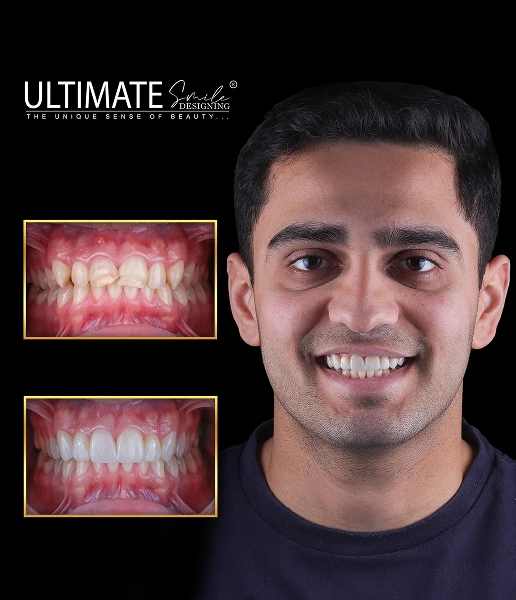
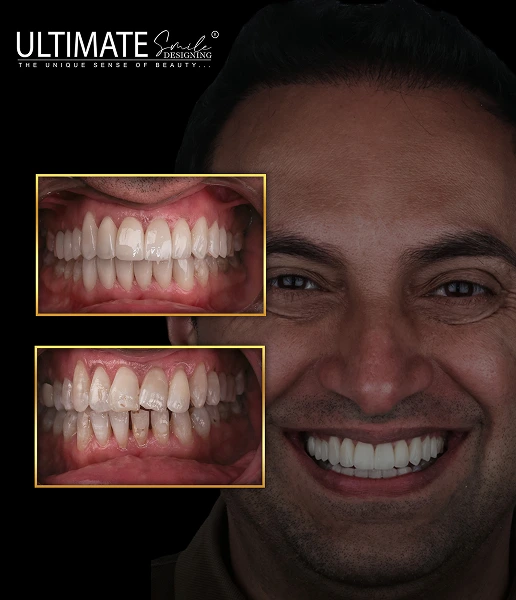
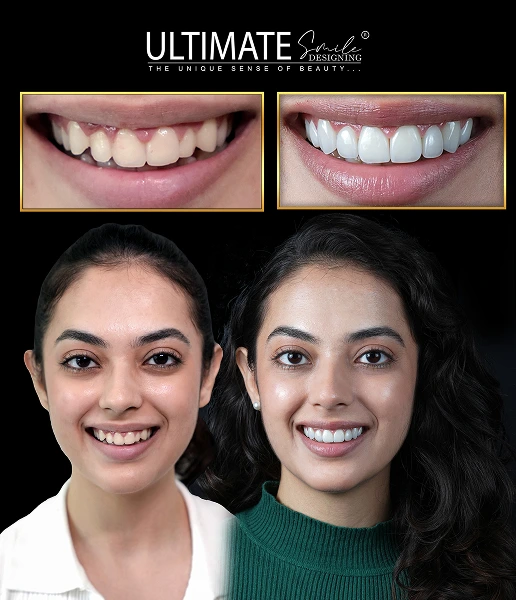
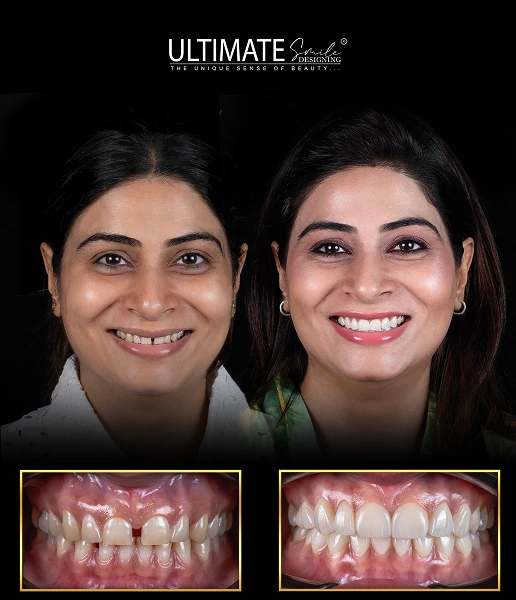
Improving Smile Communication with Smile Design
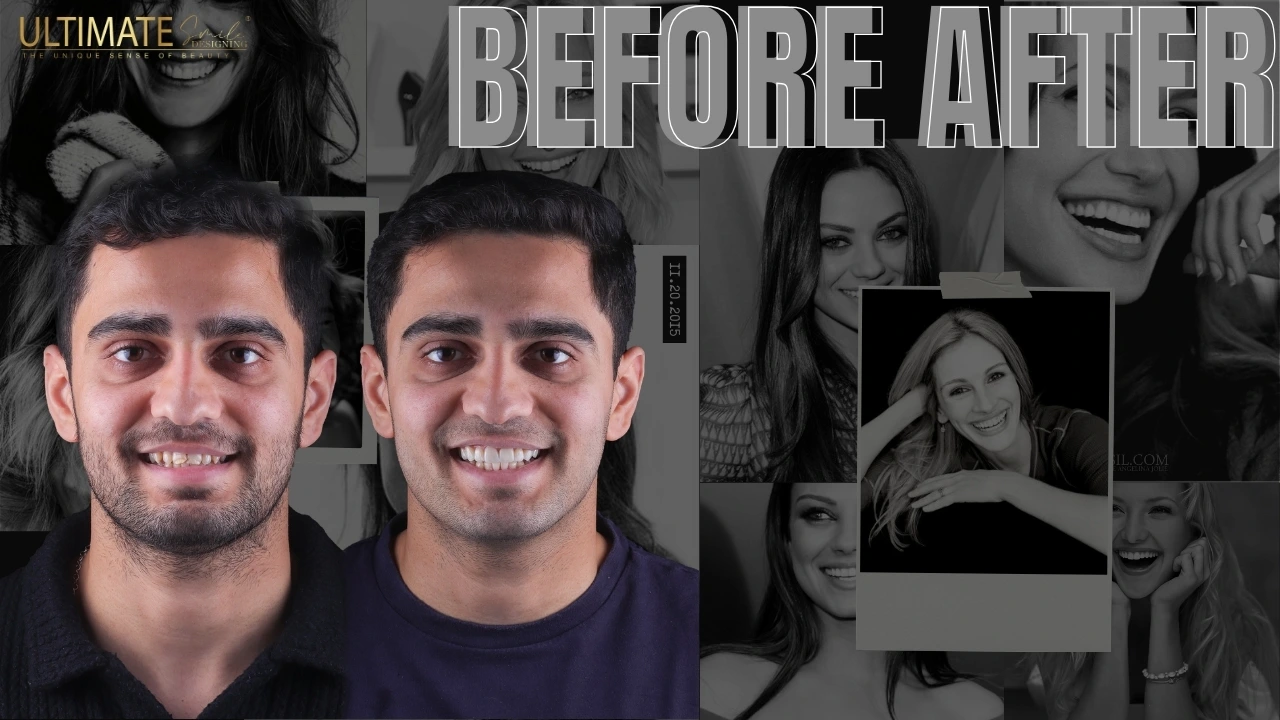
By improving your dental appearance, you make sure your smile “language” is saying the right thing – confidence, warmth, and authenticity. Here are some benefits of smile design that help you understand how it can improve your smile language.
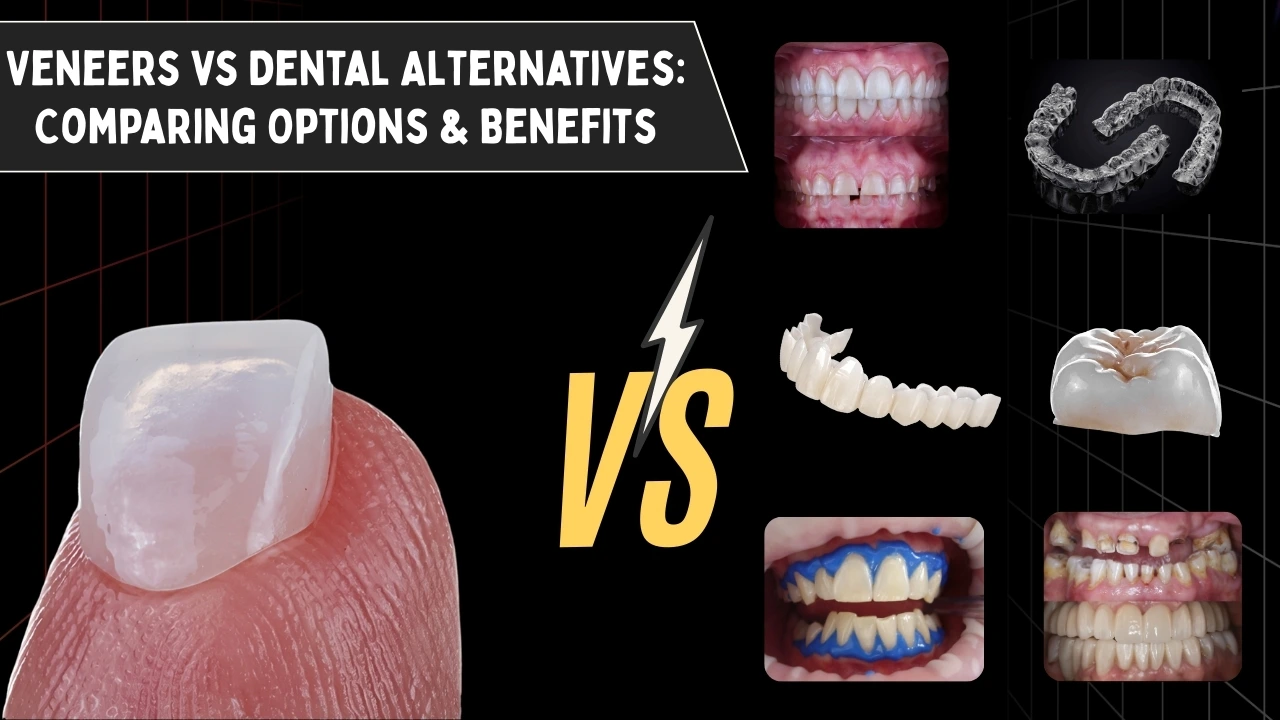
- Correct imperfections: Veneers, crowns, and bonding fix chips, cracks, discoloration, and uneven teeth.
- Straighten and align: Clear AD-aligners or braces move teeth into the ideal position.
- Fill gaps: Implants or bridges replace missing teeth for a full, natural smile.
- Balance gums: Laser gum contouring can correct a “gummy” smile for better proportions.
- Long-lasting, natural look: Advanced zirconia and E-max materials mimic real teeth in color and strength.
- Process you control: Digital preview lets you visualize changes before any treatment.
- Expert care and guarantee: Specialists handle every step, and you get a refund if results fall short of what you agreed on.
Boost Your Smile’s Message with Ultimate Smile Design
Since your smile carries so much weight, you want it to look its best. If dental issues are holding back your grin (like stains, crooked teeth, gaps, or chips), a smile makeover can make a difference. Ultimate Smile Design offers exactly that – a comprehensive aesthetic smile makeover treatment that resolves discoloration, misalignment, missing or broken teeth, gaps, gummy smiles, and uneven teeth.
We at Ultimate Smile Design even stand behind our work: we offer a 100% money-back guarantee on lab fees if the final results don’t match the promised digital preview. With 400+ certified smile-design dentists and over 12,000 smile cases across India, it’s easy to find a smile design specialist near you to start the journey to a brighter, more expressive smile.
Take Home Message
Smile language is a nuanced form of silent communication shaped by biology, psychology, and social context.
Understanding different types of smiles allows for more accurate emotional interpretation and a stronger personal connection.
When aligned with genuine intent, a smile becomes one of the most powerful tools of non-verbal expression.


With over 20 years of unparalleled experience at the forefront of digital dental technology, I’m passionate about elevating dental care through state-of-the-art dental technologies. I remain dedicated to empowering dentists and practitioners by providing cutting-edge custom dental solutions that combine artistry, efficiency, and predictability, continuously exploring AI-driven design to shape the future of restorative dentistry.
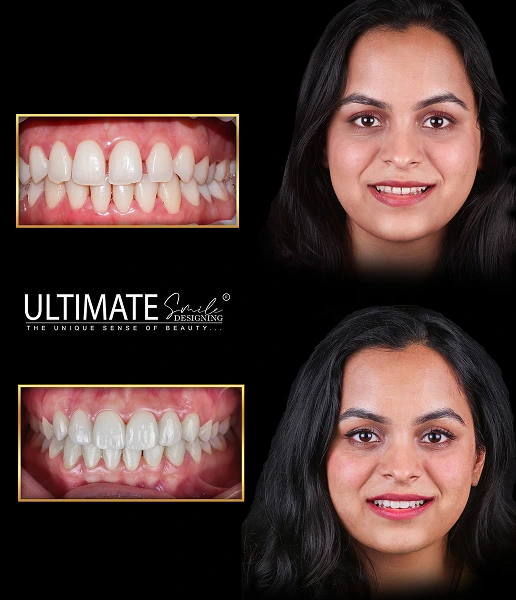
Smile Design Before & After