Veneers vs Dental Alternatives: Comparing Options & Benefits
Snapshot
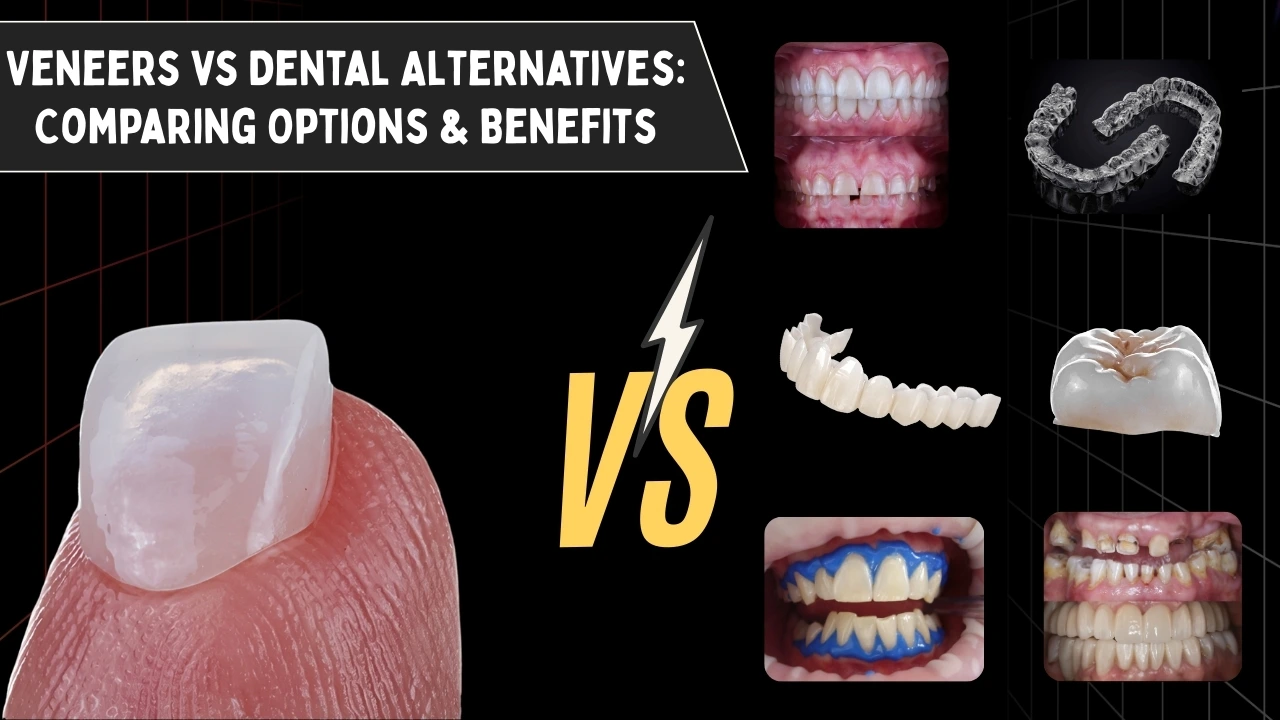
- Veneers: Thin shells for front teeth to improve shape, colour, and symmetry.
- Alternatives: Bonding, crowns, braces, whitening, and laminates.
- Treatment timelines: Same-day (bonding, whitening), 1–3 weeks (veneers, crowns), and 6-15 months (orthodontics).
- Longevity: Composite veneers (5-7 years), porcelain veneers (10–20 years+ with proper care).
Synopsis
Veneers vs dental alternatives is a decision many people face when exploring cosmetic dentistry. While veneers are a trusted choice for achieving a uniform, natural-looking smile, they may not always be the most affordable or minimally invasive solution.
Alternatives such as teeth whitening, dental bonding, crowns, braces & laminates can often address the same concerns, depending on the condition of your teeth & long-term goals. This guide breaks down the pros, cons, & suitability of each option, helping you understand what works best for your dental and cosmetic needs.
Let’s compare dental veneers with options like bonding, crowns, whitening, and braces. This will help you pick the best one for your needs and budget.
What are Dental Veneers?
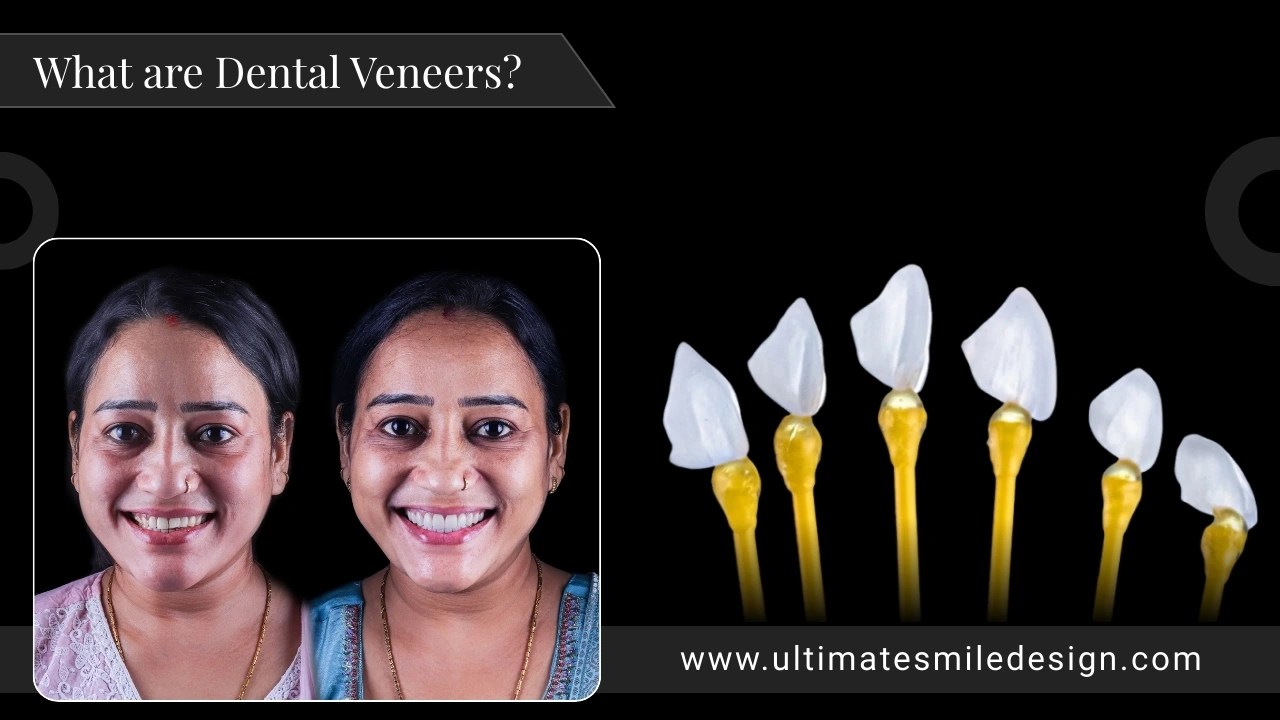
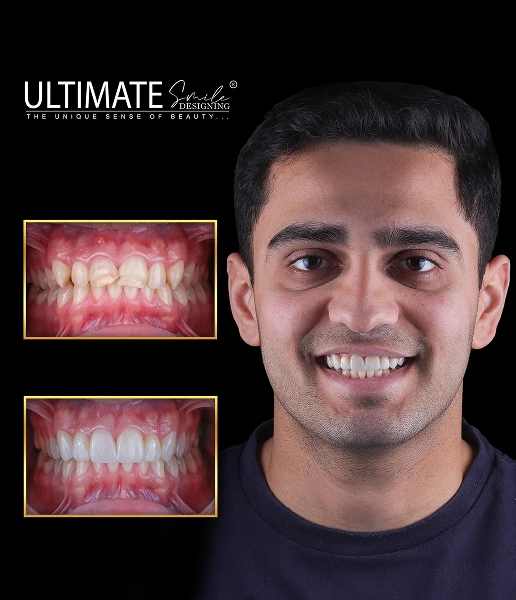
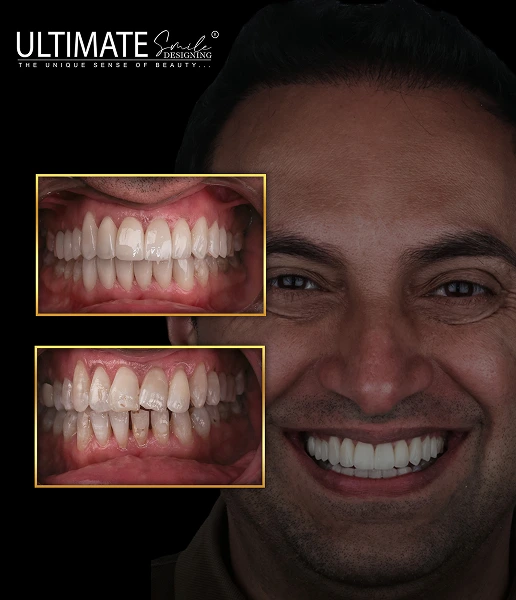
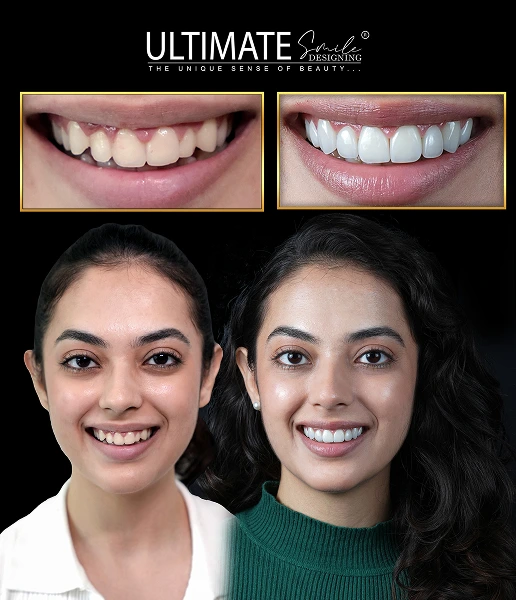
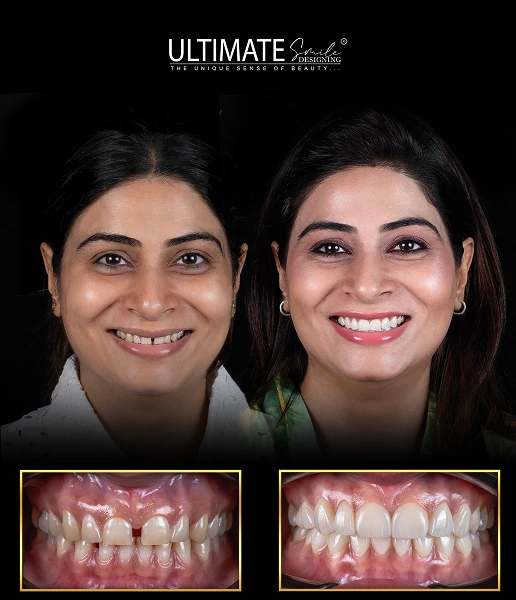
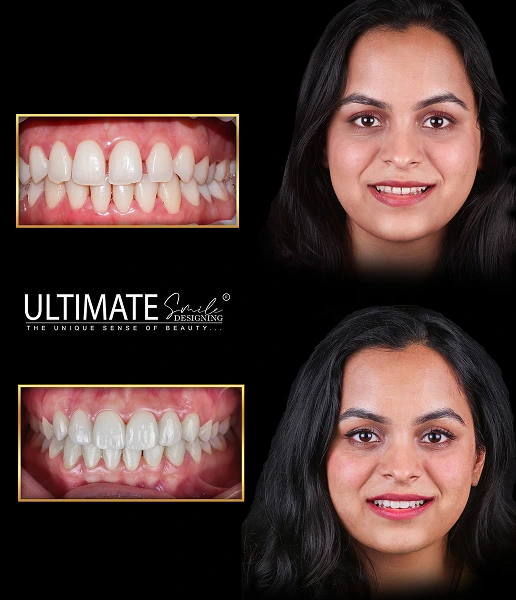
Dental veneers are custom-made “shells” placed on the front surface of teeth. Made of porcelain or composite resin, they hide flaws like chips, stains, gaps, and slight misalignment. Porcelain veneers are very durable and resist stains, giving a natural look. Composite (resin) veneers are thinner, cheaper, and can often be done in one visit. Both types require a bit of enamel removal so the veneer fits well.
Pros and Cons of Veneers
- Pros: Veneers greatly improve appearance. They cover many cosmetic issues at once, boosting confidence. Porcelain veneers can last 10–15+ years and resist stains. They require less enamel removal than crowns, preserving more of the natural tooth.
- Cons: Veneers are expensive and irreversible once placed (enamel removal can’t be undone). Some people may feel tooth sensitivity to hot or cold after getting veneers. Veneers don’t fix major alignment issues – they only cover the tooth surface. Over time, gum changes or wear may reveal the edges of the veneers.
Veneers have many benefits, but they’re not right for every situation. For example, if you have missing teeth, severe decay, or want a quick, low-cost change, you should consider alternatives.
Common Veneer Alternatives
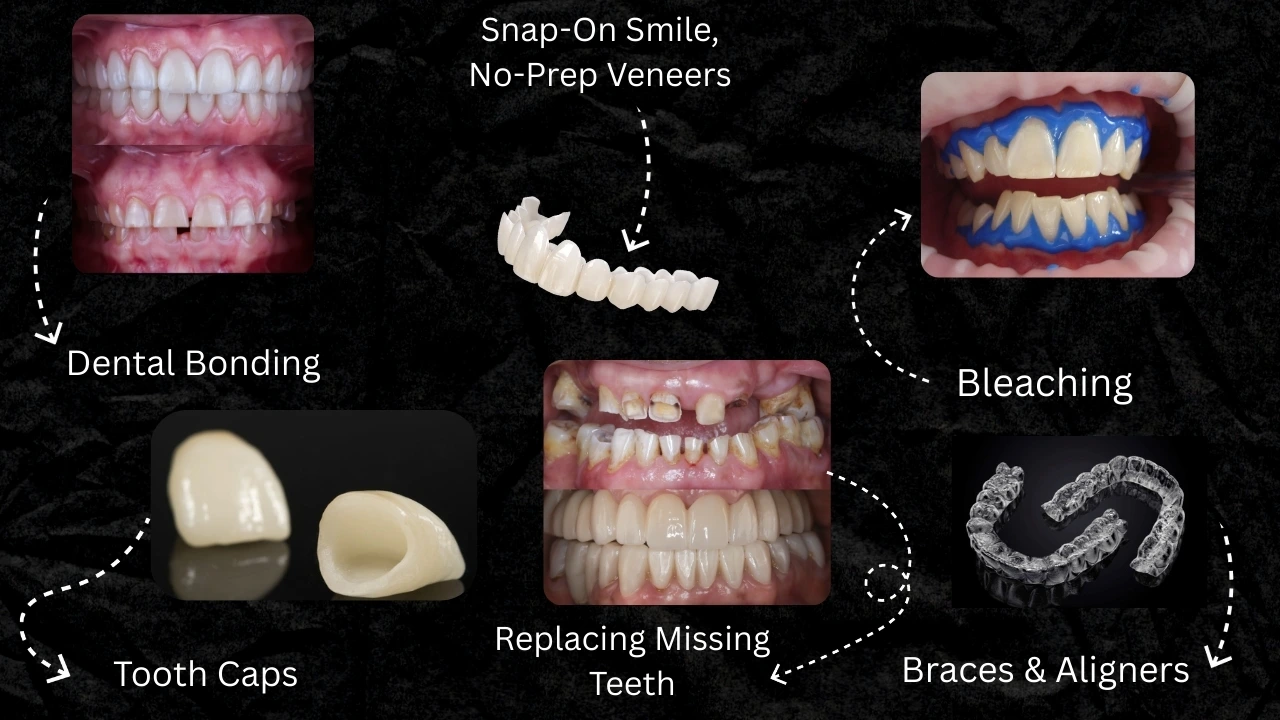
Composite Bonding (Dental Bonding)
Composite bonding is a quick, low-cost fix for small chips, gaps, or stains. The dentist applies a tooth-colored resin and shapes it on the tooth. You often leave with a better smile after one visit. Bonding removes little or no enamel. It is gentler on your teeth than veneers. For minor flaws, bonding may be enough.
- Durability: Lasts about 5–7 years. Resin can stain or chip over time.
- Best For: Small chips, cracks, or stains where a full veneer isn’t needed.
Composite bonding (also called “resin veneers” in some cases) is completed in a single appointment. It’s good when you want a fast fix without drilling. For example, one patient’s small front-tooth chip was repaired the same day with bonding. The downside is that it is less durable than porcelain – think of it as a quick cosmetic touch-up rather than a long-term solution.
Find Ultimate Smile Designers
Dental Crowns (Tooth Caps)
Dental crowns cover the whole tooth, unlike veneers, which only cover the front. Crowns are used when a tooth is badly damaged, weak, or has had a root canal. A crown fits over the tooth like a cap.
- Durability: Very long-lasting (often 10–15+ years, some brands like Advance Dental Export offer a lifetime warranty). Strong and protective.
- Best For: Teeth that need both strength and cosmetic improvement (e.g., broken, cracked, or heavily decayed teeth).
Crowns can be made of porcelain (which can look natural) or metal. A drawback is that crowns need more enamel removed than veneers. They focus on strength and function first, so they cover up cosmetic issues and also reinforce a damaged tooth. If your tooth is mostly intact with only a small chip, a veneer or bonding might be a less invasive choice.
Teeth Whitening (Bleaching)
If your main issue is yellow or stained teeth, professional teeth whitening might be enough. Whitening treatments remove surface stains from things like coffee, tea, or smoking.
- Pros: Safe, fast, and non-invasive. In-office whitening gives immediate results.
- Cons: Whitening only changes color. It won’t fix chips, cracks, or gaps. The effect fades over time, so you may need touch-ups.
If your teeth are healthy but discolored, try whitening first. For many people, brightening is all they need. Only consider veneers if stains don’t respond or if you also want to change the tooth shape.
Orthodontic Treatment (Braces & Aligners)
If teeth are crooked, crowded, or have big gaps, straightening them with braces or clear aligners is a great alternative. This moves your real teeth into the correct position over months, rather than just masking them.
- Pros: A long-term solution for alignment and bite issues. Once straightened (with retainers), teeth stay in place.
- Cons: Takes time (often 6–24 months) and can be costly. Requires consistent use of braces or aligners.
Use orthodontics when alignment is the main issue. For example, veneers can hide a small gap, but braces or aligners actually close the gap. After teeth are straightened, you might only need minor cosmetic work (like whitening or bonding) to perfect the smile.
Implants and Bridges (Replacing Missing Teeth)
If a tooth is missing, veneers cannot fill the gap. Dental implants or bridges are used instead:
- Implants: A metal post is inserted in the bone, and a crown is placed on it. Looks and feels like a natural tooth.
- Bridges: A false tooth is held in place by crowns on the adjacent teeth.
These fix missing teeth for good. Implants and bridges restore function and appearance but involve surgery (implants) or preparing neighboring teeth (bridges). They’re not for changing tooth color or minor flaws – they fill spaces.
Other Options (Snap-On Smile, No-Prep Veneers)
There are also temporary or ultra-conservative options:
- Snap-On Smile: A removable thin shell that snaps over all front teeth. It hides flaws and is non-invasive. It's lower cost but not permanent or strong.
- No-Prep Veneers (e.g. Lumineers): Very thin porcelain veneers that bond without drilling your tooth. Because they’re thin, they only work for very minor changes (like tiny chips or small gaps). They are expensive and often not covered by insurance.
These niche options may fit special cases: snap-ons for a quick event smile, or no-prep veneers for someone avoiding drilling. Most patients choose one of the main treatments above.
Comparing Dental Veneers vs Alternatives
Here’s a quick comparison of cost, durability, and best uses (India estimates):
| Treatment | Treatment Duration | Lifespan | Best For |
| Veneers | 2-3 Weeks | 10–15+ years (Lifetime) | Severe stains, chips, gaps, reshape |
| Composite Bonding | 1-2 Days | ~5–7 years | Minor chips, gaps, quick fixes |
| Dental Crowns | 2-3 Hours | 10–15+ years (Lifetime) | Severely damaged or decayed teeth |
| Teeth Whitening | 1-2 Hours | <1 year (redo) | Surface stains and discoloration |
| Braces/Aligners | 10-18 Months | Permanent* | Crooked or misaligned teeth |
* Requires retainers to maintain alignment.
Key considerations:
- Budget: Whitening and bonding cost the least upfront, but may need more repeat visits. Veneers, crowns, and braces are more costly but more durable.
- Invasiveness: Whitening and bonding are very gentle. Veneers remove some enamel; crowns remove more. Braces change tooth position over time.
- Dental health: Your gums and teeth must be healthy. If you have decay or gum disease, treat that first.
- Personal goals: If you want a quick aesthetic change, veneers or bonding might be best. If function (chewing) or alignment is the goal, crowns or orthodontics may be needed.
- Dentist’s advice: A smile designer dentist will consider your oral health and goals. Discuss tooth condition, cost, and expectations to choose wisely.
Choosing the right treatment is about matching the procedure to your needs. By weighing these factors and options, you can find the smile solution that fits you.
Conclusion
Think about cost, how long results last, and your tooth health. Veneers give quick results but cost more and are permanent. Bonding or whitening costs less but doesn’t last as long. Always talk with your dentist to find the safest, best choice for your smile.
FAQs


With over 20 years of unparalleled experience at the forefront of digital dental technology, I’m passionate about elevating dental care through state-of-the-art dental technologies. I remain dedicated to empowering dentists and practitioners by providing cutting-edge custom dental solutions that combine artistry, efficiency, and predictability, continuously exploring AI-driven design to shape the future of restorative dentistry.
Smile Design Before & After