

Facial Harmony in Smile Design: Why It Matters in Crafting a Smile?
Snapshot
- Basic Definition: Facial harmony refers to the integration of dental features with the overall facial features.
- Natural Balance: Emphasises proportion and flow rather than perfect symmetry to avoid an artificial-looking smile.
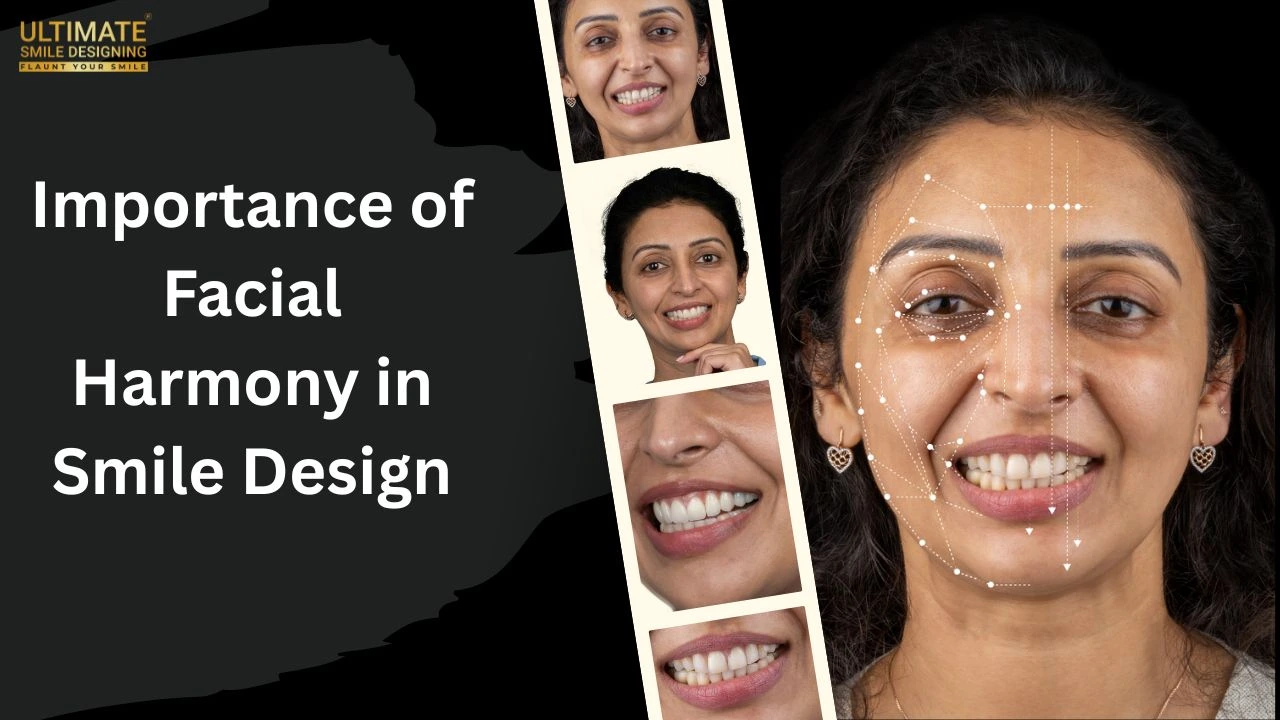
- Facial Planning: Smile design decisions are guided by facial shape, facial thirds, and dynamic expressions.
- Personalised Outcomes: Each smile is customised to individual facial features, age, and soft-tissue characteristics.
- Confidence Impact: Harmonious smiles facilitate natural expressions and enhance comfort in social and professional settings.
Synopsis
Smile design is a process that uses a personalised approach to improve the appearance of teeth, gums, and the overall smile. It may involve treatments such as veneers, teeth whitening, alignment correction, or gum contouring, all planned around the patient’s dental health and aesthetic goals.
An equally important aspect of smile design is facial harmony. A well-designed smile should align naturally with facial proportions, lip movement, and jaw structure. By considering how the teeth interact with the rest of the face, facial harmony ensures the final result looks balanced, expressive, and natural.
What is Facial Harmony in Smile Design?
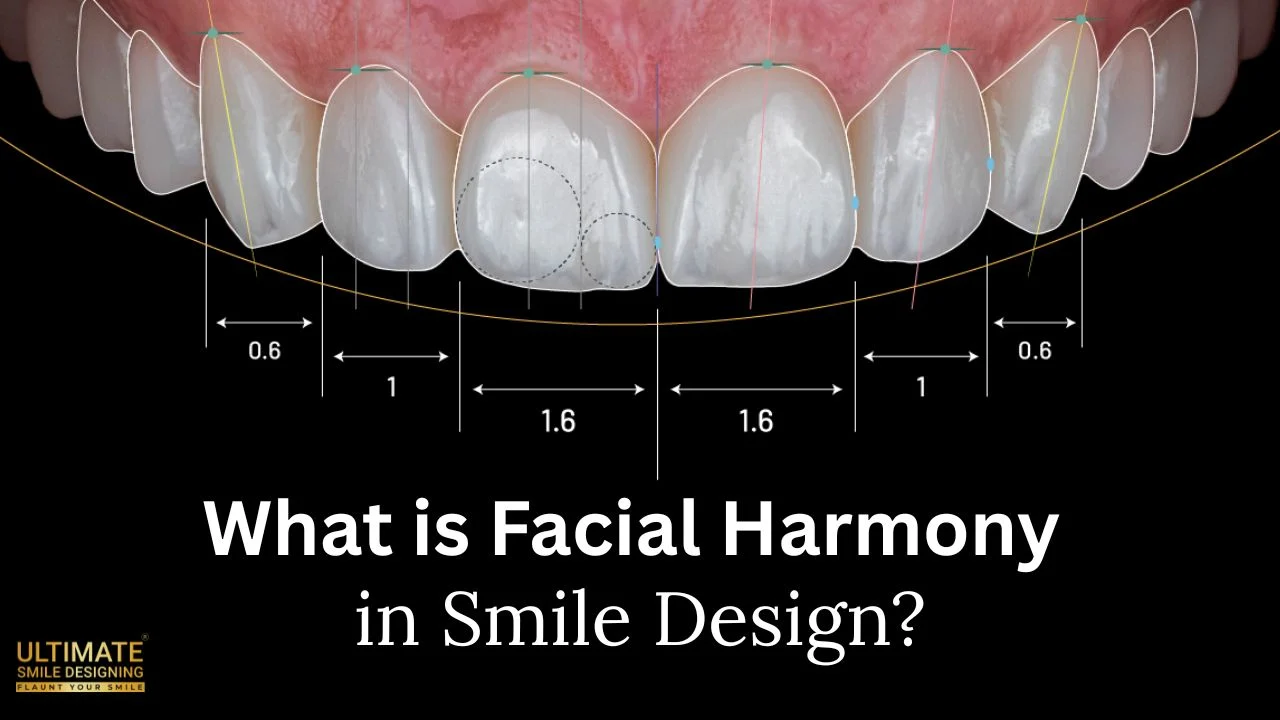
A genuine smile is one of the first things people notice about you. But a truly stunning smile isn’t just about white, straight teeth – it’s about how well your smile fits your face. This concept is known as facial harmony , and it’s at the heart of modern smile design.
Facial harmony means every element of your smile (teeth, gums, lips) looks natural and in balance with your unique facial features. When your smile complements your face shape and proportions, the result is a beautiful yet natural look that enhances your overall appearance.
So, facial harmony refers to the visual balance between dental features and the rest of the face. It evaluates how teeth interact with surrounding structures such as the lips, nose, chin, jawline, and cheeks. Rather than aiming for perfect symmetry, facial harmony focuses on proportion, flow, and natural transitions.
In aesthetic dentistry, minor asymmetries are often preserved, as they contribute to realism. Overcorrecting these features can result in smiles that appear artificial or disconnected from the face.
Key Principles of a Harmonious Smile
To achieve facial harmony, dentists rely on fundamental aesthetic principles:
- Symmetry and Proportion: Humans find symmetrical faces appealing. In smile design, the goal is a pleasing balance, not absolute perfection. Expert smile designer dentists may use guidelines like the “golden ratio” to size teeth relative to each other and to your facial dimensions, but slight balanced asymmetry often looks more natural.
- Smile Line and Tooth Display: A key aspect of harmony is how much of your teeth show when you smile or talk. Ideally, the curve of your upper teeth follows the curve of your upper lip. The upper teeth should also show an appropriate amount of gum – not too much (avoiding a “gummy smile”) and not too little. At rest, a bit of your top teeth showing gives a youthful look.
- Gum and Lip Balance: The gums frame the teeth, so their shape matters. An even, symmetrical gum line that matches your lip shape makes the smile look well-proportioned. If one tooth’s gum line is lower, gum contouring can adjust it to match. Similarly, the lips form the outer frame of your smile – their shape and fullness affect how your teeth are displayed. Dentists consider lip dynamics (how your lips move and rest) to ensure your new smile is properly supported by the lips for a full, natural appearance.
Find Ultimate Smile Designers
Why is Facial Harmony Important?
Creating facial harmony is essential for a successful smile makeover. A cosmetic dentist considers how each tooth relates to your lips, cheeks, and facial shape so that enhancements improve your entire face, not just your teeth. Even subtle adjustments to tooth shape or length can change how your smile appears relative to your jawline or eyes.
Facial harmony ensures that a smile blends naturally with the rest of the face, creating balance, realism, and visual comfort rather than drawing attention to the teeth alone.
- Prevents smiles from appearing unnatural or mismatched
- Enhances the entire facial aesthetic, not just dental appearance
- Supports natural facial expressions during speech and smiling
- Improves emotional comfort and self-confidence
- Reduces the risk of over-treatment and unnatural outcomes
Role of Facial Harmony in Smile Design
Facial harmony plays a central role in determining how a smile should be designed and executed. It guides clinical decisions at every stage of smile planning.
- Establishes appropriate tooth length and width relative to facial height and width
- Determines smile width in relation to cheek volume and facial breadth
- Guides incisal edge position based on lip dynamics and facial movement
- Influences tooth shape selection to complement soft or angular facial contours
- Ensures balanced gum display during natural smiling
- Helps maintain facial integrity by avoiding overly aggressive cosmetic changes
A smile that respects facial harmony integrates naturally into the face rather than drawing attention solely to the teeth.
What is the Golden Ratio of Facial Harmony?
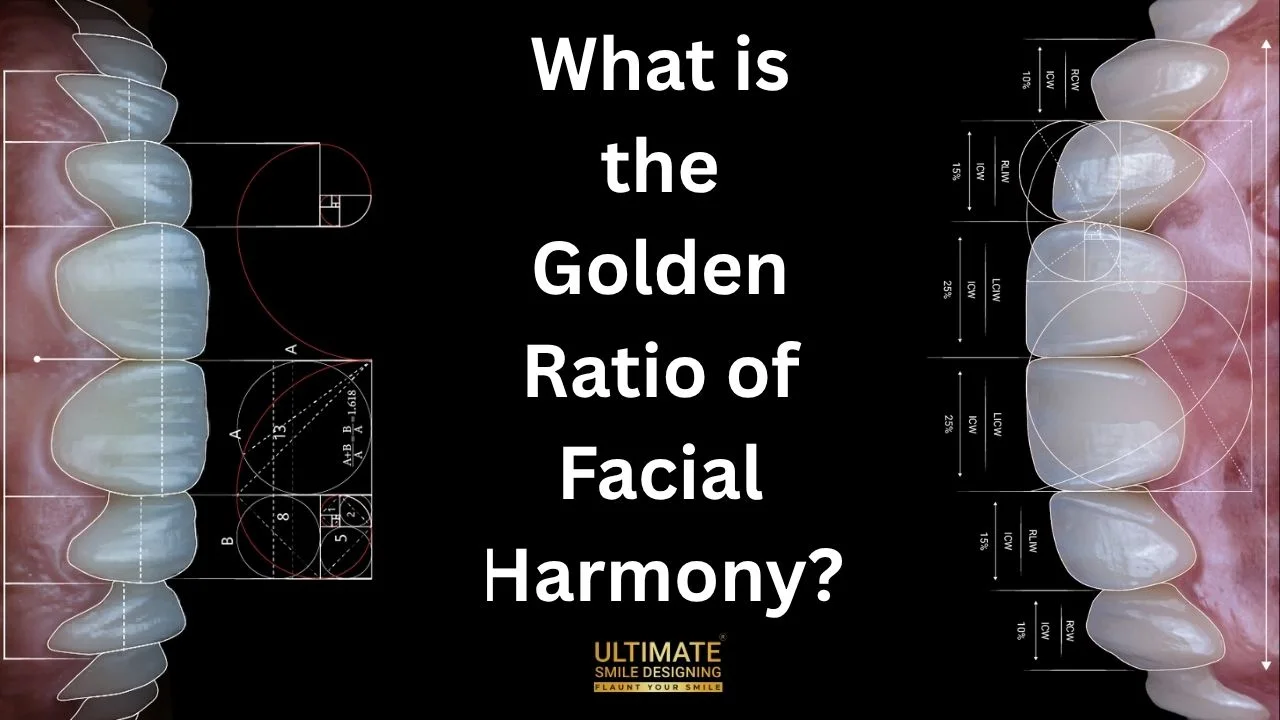
The golden ratio , approximately 1.618, is a mathematical proportion often referenced in aesthetic dentistry. It is commonly used as a guideline for the width relationships between the upper front teeth.
While the golden ratio can support balance, modern smile design does not apply it rigidly. Individual facial anatomy, ethnicity, age, and personal characteristics always take precedence. Facial harmony is achieved through adaptation, not formulas.
How is Facial Harmony Achieved in Smile Design?
Achieving facial harmony requires a structured and comprehensive evaluation process.
- Detailed facial analysis, including facial proportions and symmetry
- Assessment of tooth display at rest and during facial movement
- Evaluation of smile line, lip curvature, and incisal visibility
- Use of photographic and video records for dynamic smile assessment
- Digital smile design software to simulate facial and dental integration
- Mock-ups or trial smiles to preview aesthetics before final treatment
- Fine adjustments to tooth size, shape, and position to restore balance
This layered approach ensures that the final smile aligns with the patient’s facial identity.
What are the Different Types of Facial Shapes?
Facial shape analysis is essential for customised smile design. Here’s how it influences treatment planning:
|
Face Shape |
Considerations in Treatment Planning |
|
Oval Face |
Allows greater flexibility in selecting tooth shape, contour, and smile width. |
|
Round Face |
Slightly longer or more angular teeth are planned to create vertical balance and reduce facial roundness. |
|
Square Face |
Softer, rounded tooth edges are chosen to offset strong jawlines and sharp facial angles. |
|
Long Face |
Wider tooth proportions are used to minimise excessive vertical emphasis and improve facial balance. |
|
Heart-Shaped Face |
Fuller anterior teeth help balance a narrower lower face and create a more harmonious smile. |
Each facial type requires subtle design adjustments to maintain harmony and balance.
Ultimate Smile Design: A Complete Smile Makeover Solution
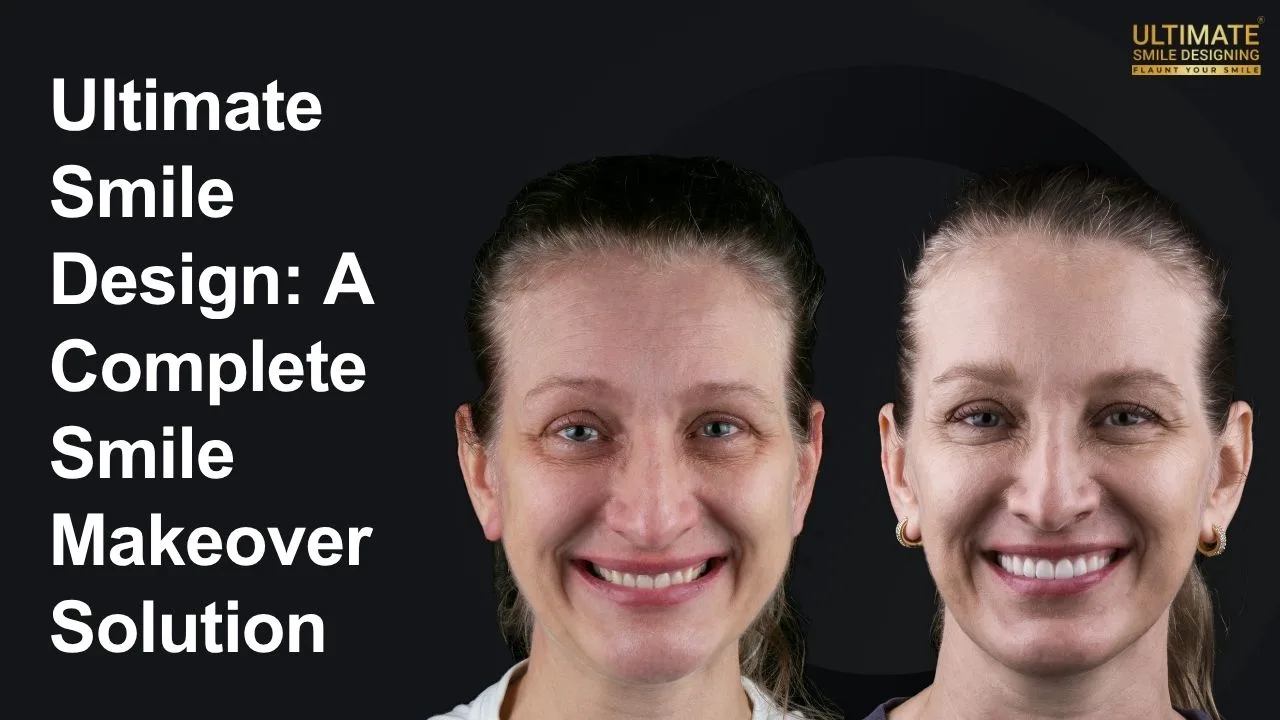
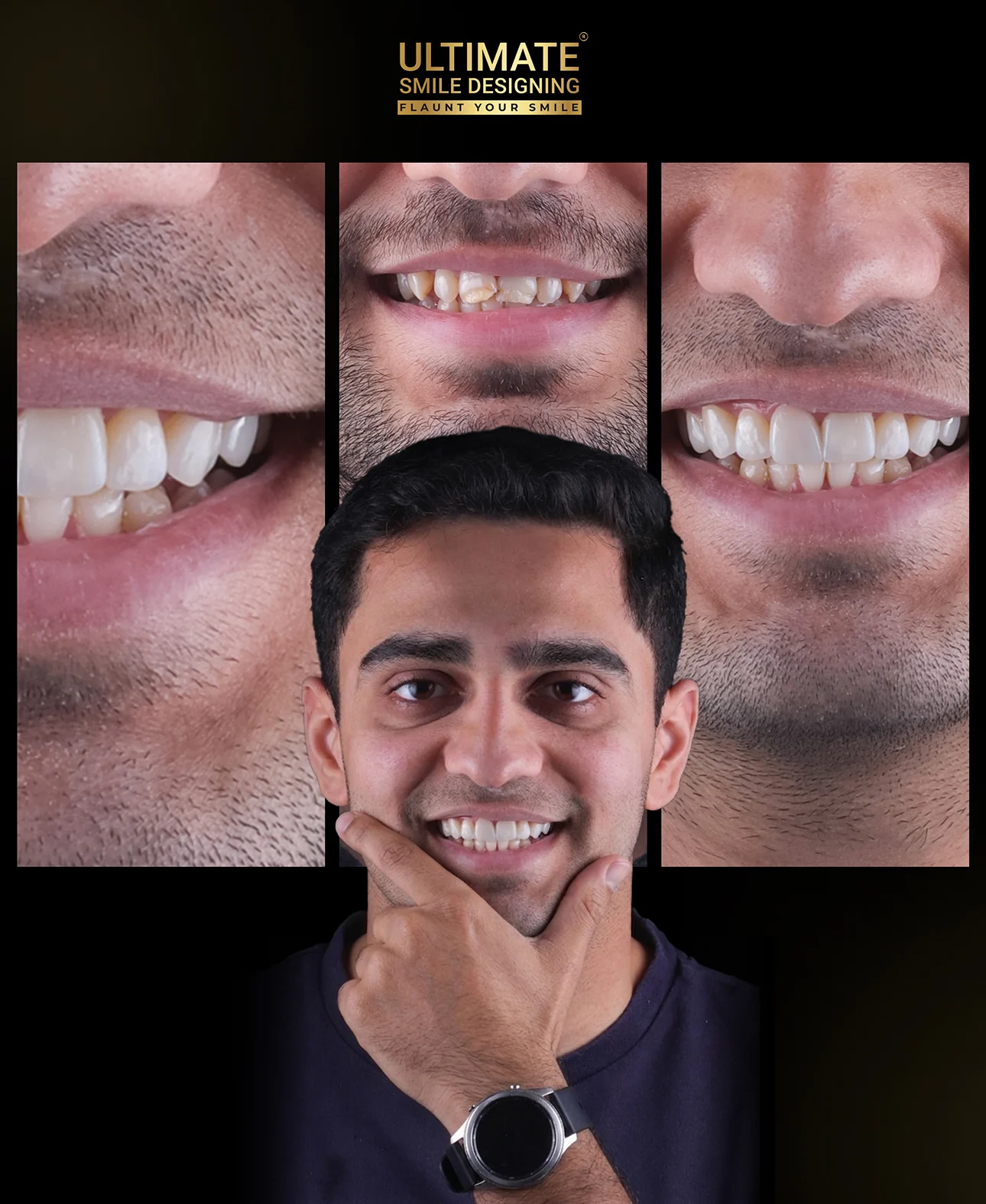
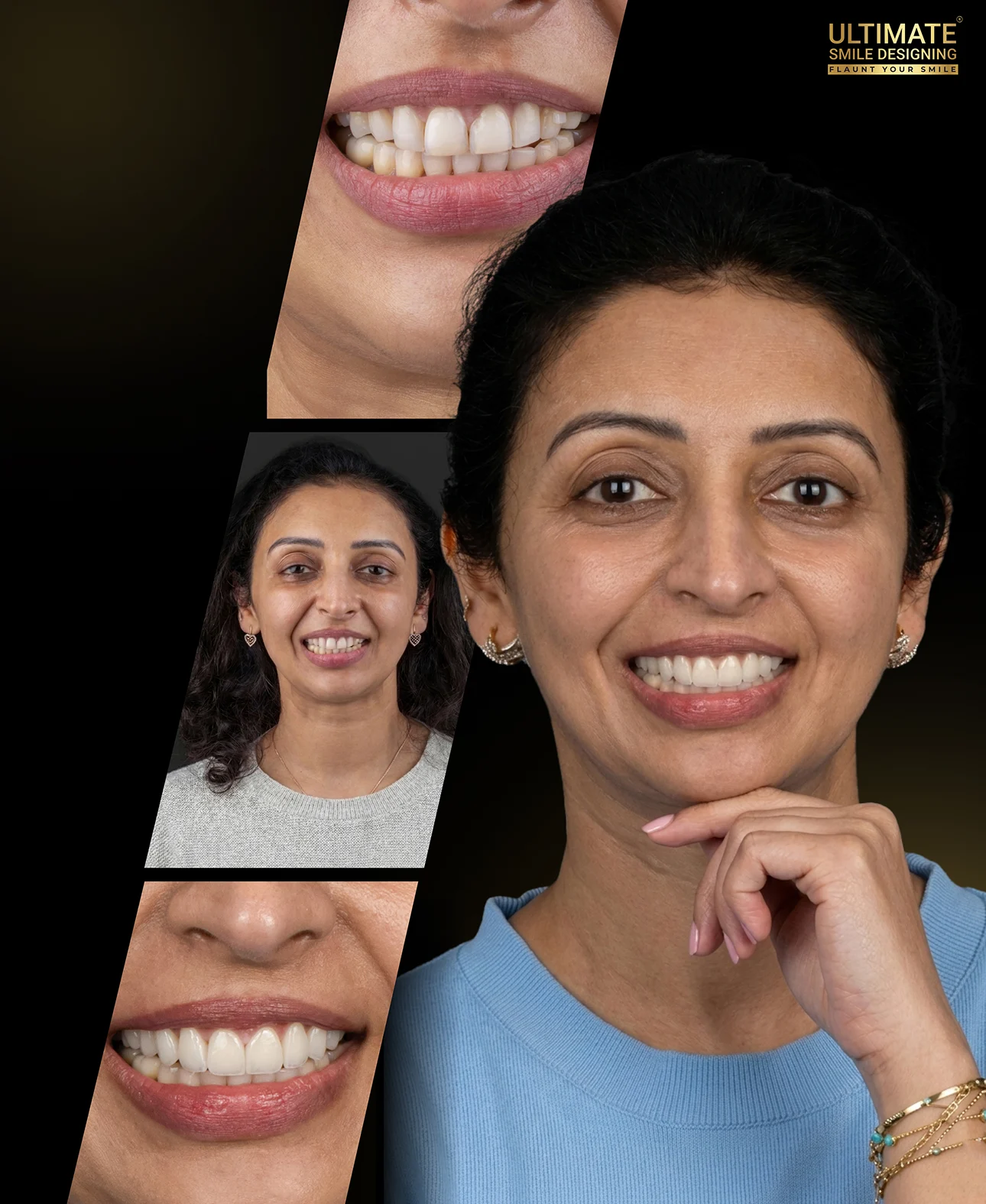
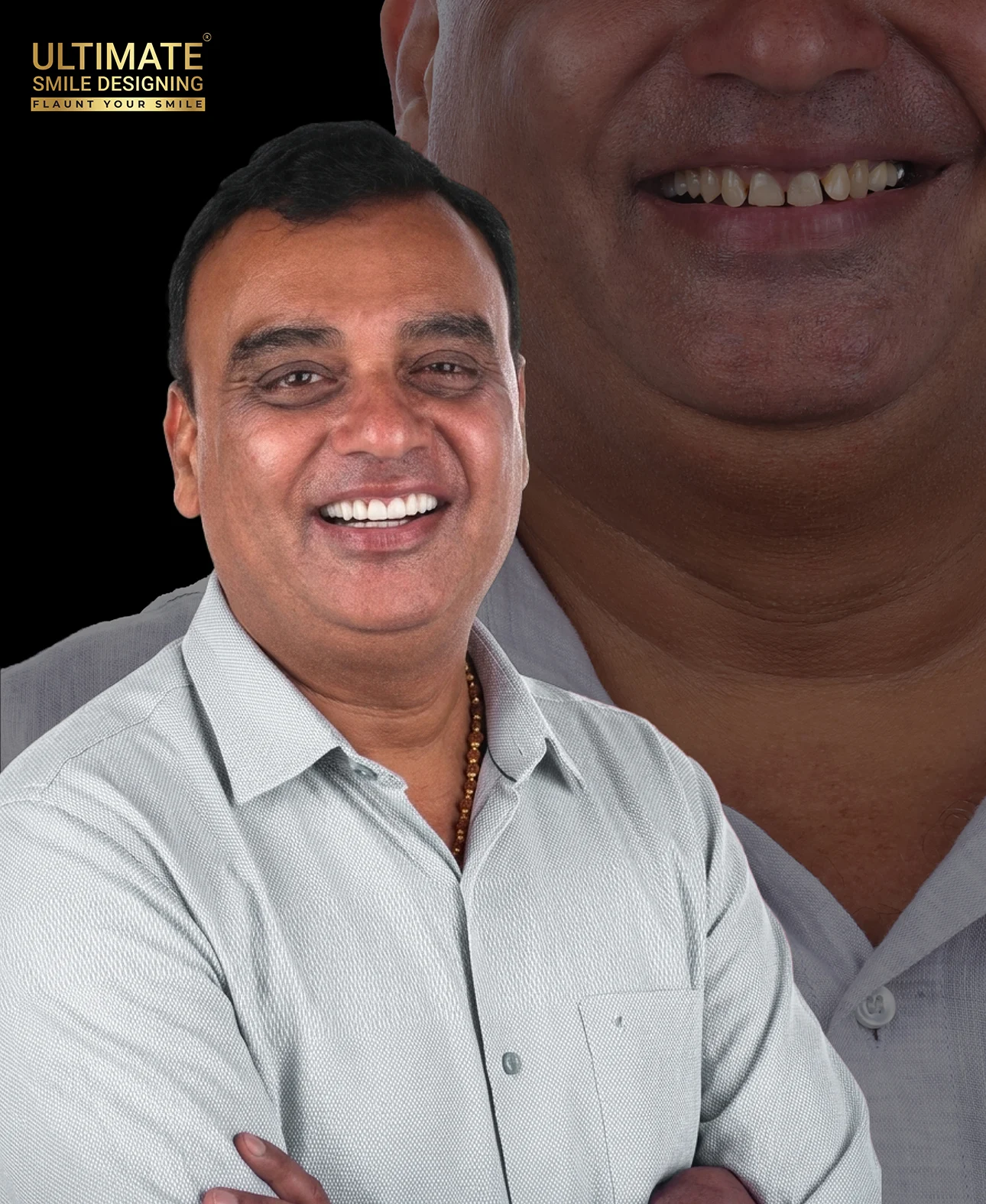
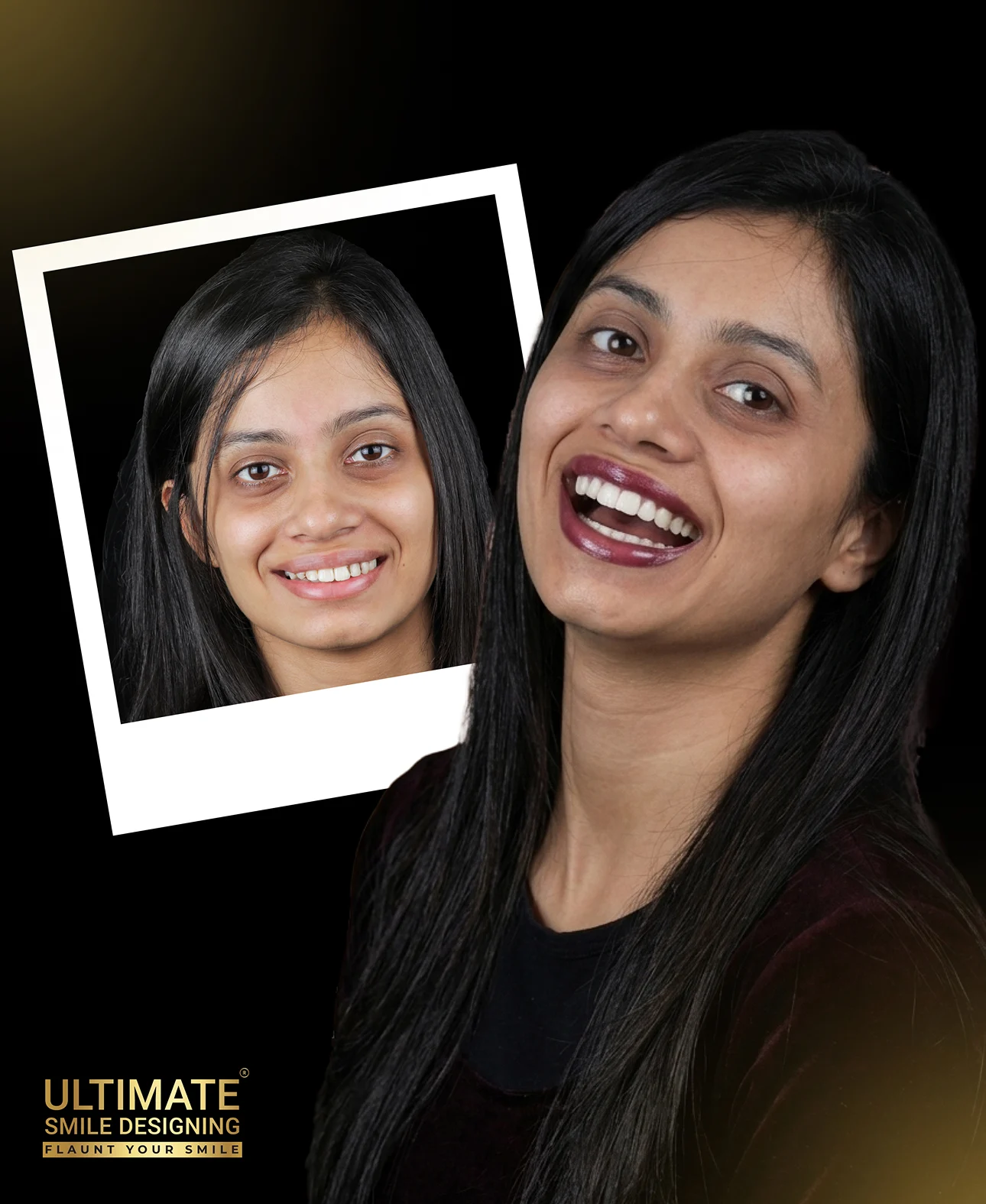
If you’re considering enhancing your smile, Ultimate Smile Design offers an all-in-one solution to achieve facial harmony with stunning results. Ultimate Smile Design is a comprehensive smile makeover service by Advance Dental Export (ADE) that addresses all aspects of your smile in a coordinated way. This treatment combines multiple advanced dental procedures to fix a wide range of dental imperfections and give you a beautiful, natural-looking smile.
What problems can Ultimate Smile Design fix? Almost any cosmetic concern you have with your teeth or smile, including:
- Tooth discoloration: Stubborn stains or yellow teeth can be brilliantly whitened.
- Misaligned or crooked teeth: Crowded, crooked, or gapped teeth can be straightened (often using nearly invisible AD-Aligners).
- Chipped, cracked, or worn teeth: Damaged teeth can be repaired or covered so they look whole and perfect (using veneers or crowns).
- Uneven tooth size or shape: Teeth that are too short, too long, or oddly shaped can be reshaped for a uniform, pleasing look.
- Missing teeth: Gaps from missing teeth can be permanently closed with AD-Implants or bridgework, restoring your smile’s completeness and your bite.
- Gummy smile: Showing too much gum can be corrected (through minor gum procedures) to improve the tooth-to-gum ratio.
How does Ultimate Smile Design achieve these results? It uses state-of-the-art materials and techniques in a multi-step plan tailored for you. Key components often include:
- Advance Zirconia Crowns & Bridges : Strong, natural-looking caps to rebuild and beautify teeth that are broken, decayed, or misshapen. They restore proper tooth shape and strength while blending seamlessly with your other teeth.
- E-max Veneers : Ultra-thin, high-quality E-max veneers to mask discoloration, close small gaps, and perfect the shape of teeth without extensive drilling.
- AD-Implants : Dental implants to replace missing teeth. An implant fuses to your jawbone and supports a lifelike crown. This not only fills the gap but also prevents bone loss in the jaw, helping maintain your facial structure.
- AD-Aligners (Clear Aligners) : Invisible aligner trays that straighten your teeth gently over time. They’re removable and comfortable, allowing you to correct alignment without traditional braces.
Every Ultimate Smile Design case is planned with a digital smile preview. Before any treatment begins, you will see a virtual design of your new smile and can give input. This means no surprises – you and your dentist set the expectation together, and the whole team works toward that agreed result.
Take Home Message
Facial harmony is the foundation of successful smile design. A truly aesthetic smile does not rely on symmetry or whiteness alone but on how well dental elements integrate with facial proportions, expressions, and individuality.
By focusing on harmony with facial shape, modern smile design creates natural-looking smiles that enhance confidence without compromising authenticity.

With over 20 years of unparalleled experience at the forefront of digital dental technology, I’m passionate about elevating dental care through state-of-the-art dental technologies. I remain dedicated to empowering dentists and practitioners by providing cutting-edge custom dental solutions that combine artistry, efficiency, and predictability, continuously exploring AI-driven design to shape the future of restorative dentistry.
Smile Design Before & After