

Normal vs USD-Certified Dentist: Why Join Ultimate Smile Design?
Snapshot
- USD Certification: A dentist has completed the Ultimate Smile Design course and received certification from the programme.
- Normal vs USD-Certified Dentist: How additional USD-specific training can influence the approach to aesthetic treatment planning.
- Smile Planning: How smile analysis, facial assessment, treatment planning and digital visualisation can help create a personalised smile.
- Patient Considerations: Key questions to ask about treatment options, tooth preparation, expected results, experience, lab involvement and long-term maintenance.
- Beyond Certification: Clinical experience, treatment planning, communication, case results and professional qualifications also matter when choosing a dentist for a smile makeover.
Synopsis
Imagine two chefs, same kitchen, same ingredients, same equipment — yet the dishes that come out taste and look nothing alike. Why?
The difference lies in their training, technique and approach. Dentistry follows a similar principle.
Two dentists may have strong clinical skills, yet their approach to planning and executing a smile makeover can still differ even if they use comparable materials and technology.
A smile makeover can become complex when tooth proportions, facial features, smile aesthetics, treatment goals and multiple cosmetic procedures need to work together. A USD-certified dentist has completed additional training with Advance Dental Export in the Ultimate Smile Design methodology, focusing on integrating all these aspects.
This guide explains what USD certification means, how a USD-certified dentist approaches smile makeovers differently, what patients can expect from facial analysis and digital planning, and which factors to consider, alongside credentials and experience, when choosing a dentist for a smile makeover.
What Does It Mean to Be a USD-Certified Dentist?
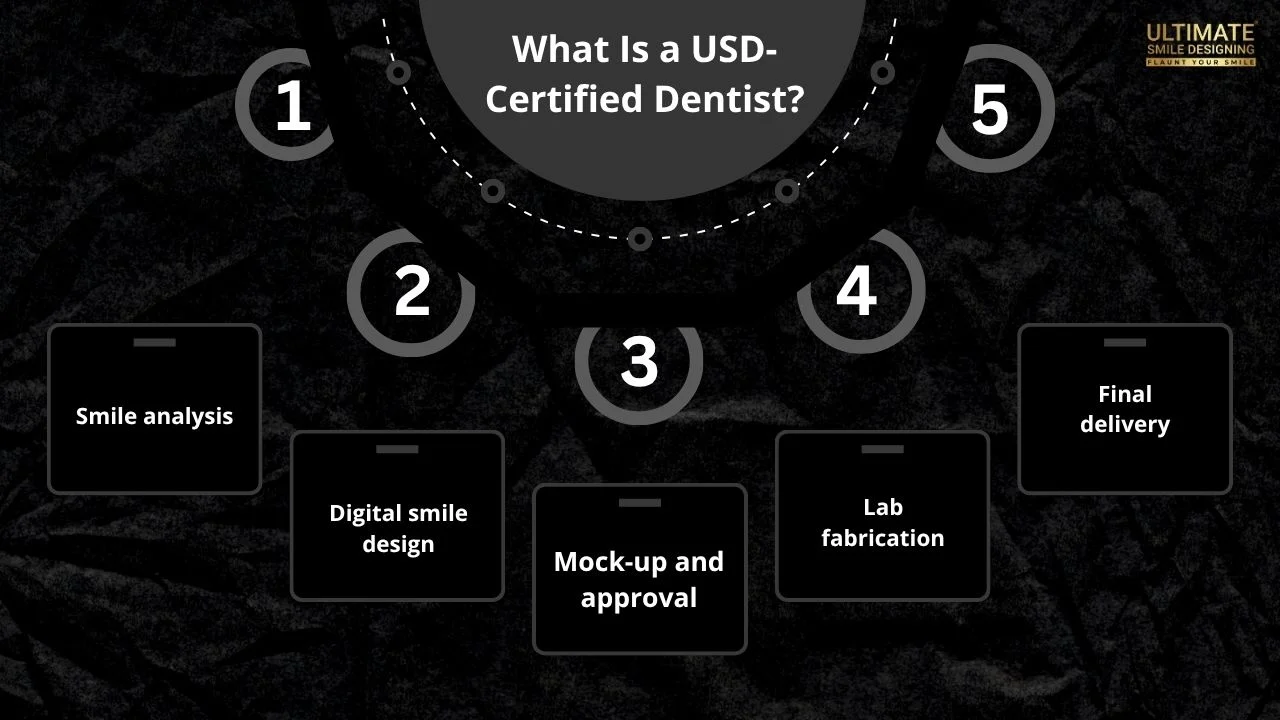
USD stands for Ultimate Smile Design . A USD-certified dentist has completed the Ultimate Smile Design course and received certification through the programme after their UG or PG course. The training focuses on CAD/CAM-based structured smile design, aesthetic analysis and treatment planning.
The USD workflow includes stages such as:
- Smile analysis: Assessing the patient's face, teeth and smile.
- Digital design: Creating a proposed smile design using digital tools.
- Mock-up and approval: Showing a digital or 3D-printed representation for patient feedback before treatment.
- Lab fabrication: Translating the approved design into the final restoration.
- Final delivery: Placing the completed restorations and making clinically appropriate adjustments.
USD certification is not a dental degree or a replacement for one. It is additional training after BDS or MDS in a specific smile-design methodology, designed by ADE, Asia’s high-quality dental lab.
A dentist’s primary dental qualification, professional registration, clinical experience and treatment skills remain essential when choosing a provider.
The USD website also provides a portal where patients can find dentists in its smile-design network.
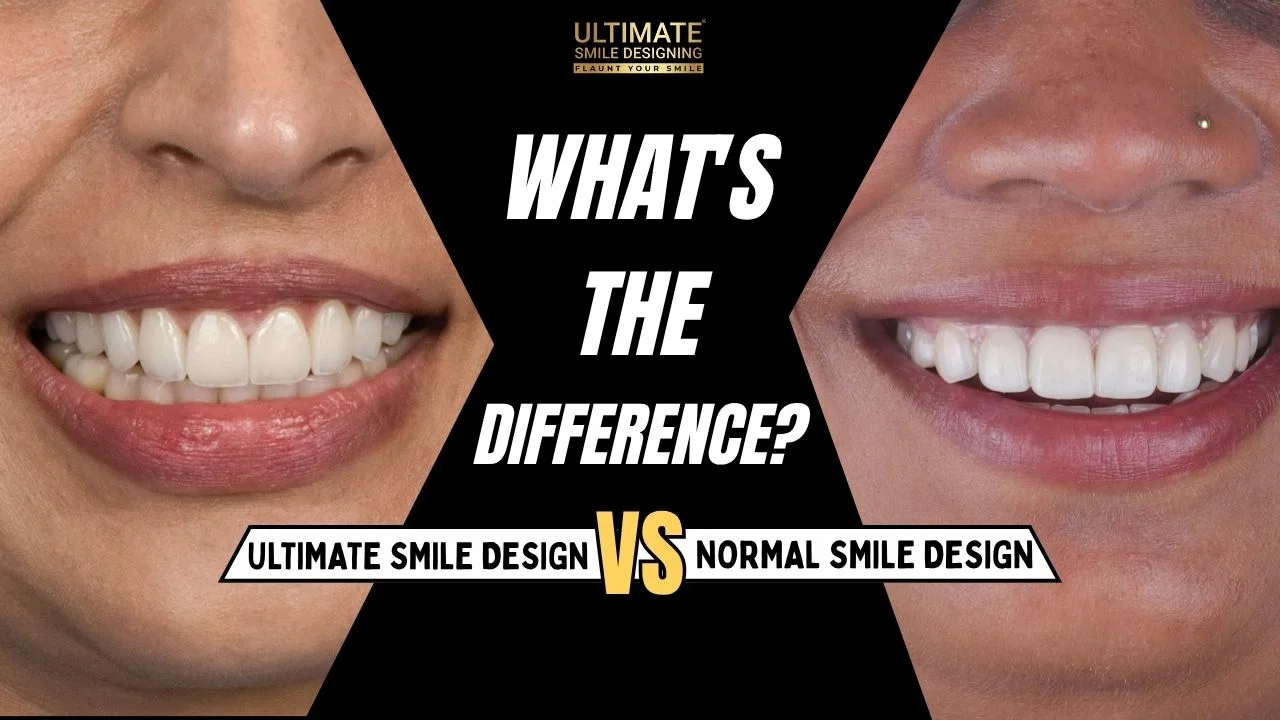
Normal Dentist vs USD-Certified Dentist: What Is the Difference?
A general dentist and a USD-certified dentist can both provide smile design or smile makeovers.
Find Ultimate Smile Designers
The key difference is the additional USD-specific training and unique approach to aesthetic treatment planning .
Dedicated Training for Comprehensive Smile Design
A USD-certified dentist has completed dedicated training in the Ultimate Smile Design Methodology , which focuses on structured, CAD/CAM-based smile design.
This additional training covers:
- Smile and facial analysis
- Digital smile planning
- Smile mock-ups and previews
- Treatment sequencing
- Coordination with the dental lab
This approach can be particularly useful when several cosmetic procedures need to work together as part of one coordinated smile makeover .
More Comprehensive Planning Before Treatment
USD training emphasises evaluating the proposed smile as a whole rather than planning each restoration independently. Depending on the case, this may include:
- Tooth size, shape and proportions
- Smile line, smile arc and gingival display
- Lip position and movement
- Tooth alignment and spacing
- Facial proportions
- Patient preferences and aesthetic goals
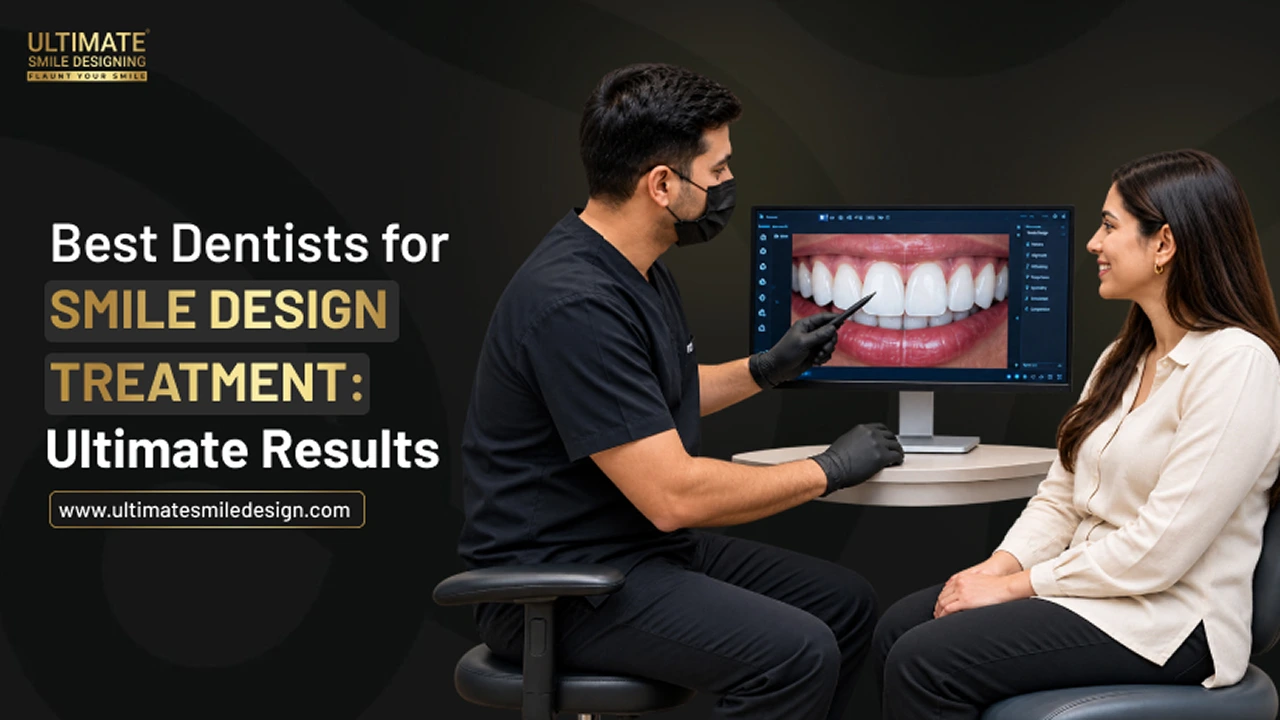
The proposed design can also be visualised through USD's Ultimate AI smile preview, allowing patients to understand and discuss the planned changes before definitive treatment.
CAD/CAM-Based Tooth Preparation and Fabrication
A 2026 study published in PubMed highlights that digital smile-design workflows support more effective treatment planning, improve communication throughout the restorative process, and contribute to higher patient satisfaction.
The USD Methodology combines digital smile design with a CAD/CAM-based workflow , allowing the proposed design to be evaluated with considerations for tooth preparation and fabrication.
A report from the Journal of Dental Sciences highlights key teeth preparation considerations for accurate fabrication:
- Tooth preparation: The planned reduction must provide sufficient space for the restoration without unnecessarily removing tooth structure.
- Preparation geometry: Sharp internal angles, narrow grooves, and unsupported areas may not translate accurately during milling and can create stress concentration.
- Milling tool size : CAD/CAM milling burs commonly have diameters of approximately 1.0-1.8 mm. Features smaller than the milling tool cannot always be reproduced precisely.
- Overmilling: When a bur cannot enter a tight internal angle or narrow feature, the software may compensate by removing more material around the area. This can increase the internal cement space and reduce restoration thickness.
- Undermilling: Fine concavities, sharp margin details or features smaller than the bur diameter may not be fully milled. This can interfere with the restoration's seating or marginal fit.
- Restoration thickness: The design must maintain adequate material thickness while preserving as much healthy tooth structure as clinically appropriate.
Newer digital workflows use tools such as Ultimate AI for smile preview to help patients visualise potential smile outcomes before treatment.
Note: These AI-assisted previews improve communication but should be considered a planning aid, not a guarantee, as factors like clinical conditions, preparation, materials and treatment execution can influence the final result.
Clinical-Lab Coordination
The dentist's treatment plan must translate into the final restoration. This makes communication between the dentist and dental lab particularly important when multiple procedures like dental veneers, crowns, whitening, etc are involved.
The lab works are based on:
- Digital scans
- Clinical photographs
- Planned tooth dimensions
- Shade information
- The approved smile design
- Specific aesthetic requirements
The dentist remains responsible for the clinical treatment, while the lab plays an important role in fabricating the planned restoration. The approved smile design provides a shared reference for the dentist and lab as they translate the planned aesthetics into the final restoration.
Why Choose a USD-Certified Dentist for a Smile Makeover?
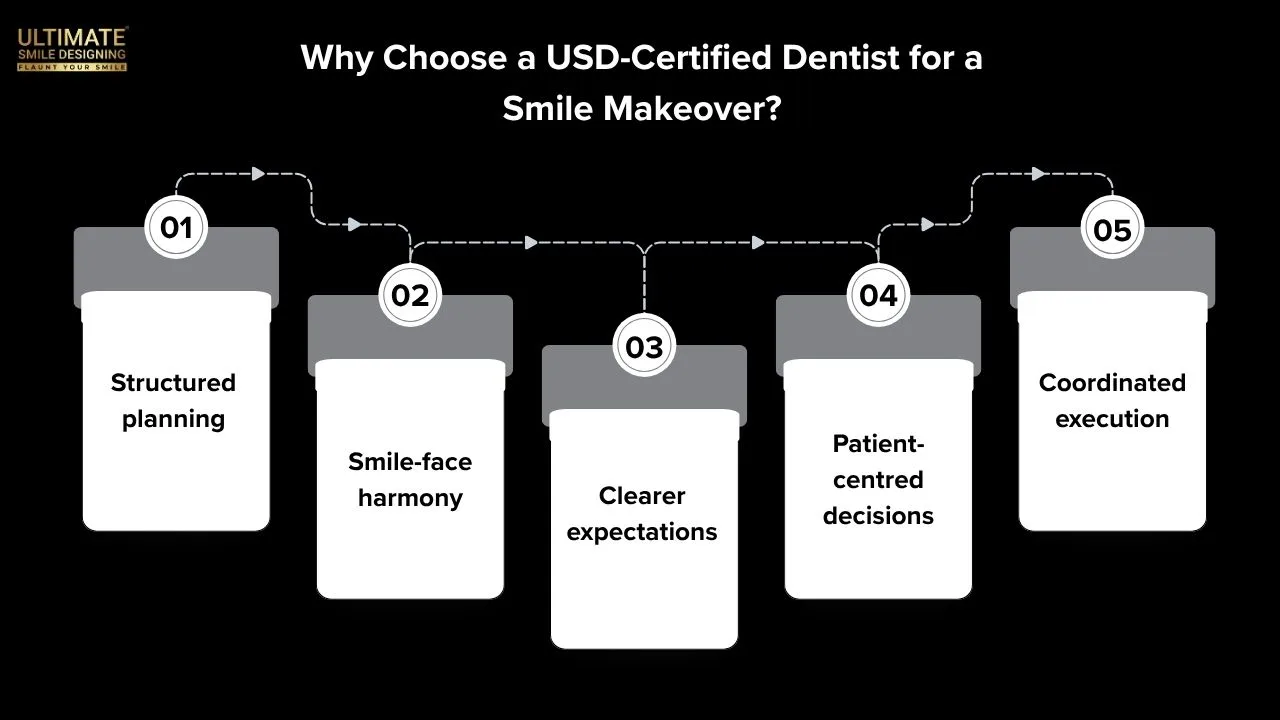
If you are considering a complex cosmetic treatment, a USD-certified dentist may offer an additional level of structured smile-design training.
Potential advantages include:
- Structured planning: Integrating smile analysis, digital design, patient feedback and treatment planning.
- Smile-face harmony: Considering teeth, lips, gums and facial features together.
- Clearer expectations: Using digital previews or mock-ups to discuss the proposed outcome before treatment.
- Patient-centred decisions: Aligning treatment with your goals, expectations and clinical needs.
- Coordinated execution: Connecting the approved design with tooth preparation and lab fabrication.
The benefit isn't simply a digital preview or a certificate. What matters is how these skills are applied to your personalised treatment plan .
Questions to Ask a USD-Certified Dentist Before Your Smile Makeover
Before choosing a dentist, ask:
- What aspects of my smile and facial appearance will you assess?
- How will the smile design suit my facial features?
- Can I preview the proposed results before treatment?
- Which procedures do I actually need?
- How much tooth preparation will be required?
- Are there more conservative alternatives?
- What are the risks, limitations and whether the treatment is reversible?
- How many similar cases have you treated?
- Can I see similar cases you have completed?
- What materials will be used, and how long are the restorations expected to last?
- What maintenance or future replacement will I need?
- Will the dental lab be involved in planning and fabricating my restorations?
What Should You Consider Besides USD Certification?
USD certification should not be the only factor for your decision.
When choosing a cosmetic dentist or smile makeover dentist , also consider:
- Relevant clinical experience with the specific cosmetic procedures and cases similar to your concerns.
- Comprehensive treatment planning assessing oral health and functional needs before recommending cosmetic procedures.
- Digital and clinical records documenting the assessment, planning and treatment process.
- Clear explanations of risks and alternatives before proceeding with treatment.
- A high-quality dental lab with appropriate expertise for veneers, crowns, and other aesthetic restorations.
- Cost, maintenance and replacement requirements, including the expected treatment timeline and future care.
A certification can indicate additional training, but good cosmetic dentistry depends on the complete treatment process , from diagnosis and planning to clinical execution and follow-up.
Take Home Message
Choosing a dentist for a smile makeover involves more than looking at cosmetic results or certifications. A structured approach to smile analysis, treatment planning, patient communication and lab coordination can help make complex aesthetic cases more predictable and aligned with the patient's expectations.
A USD-certified dentist has completed additional training in the Ultimate Smile Design methodology, focusing on structured smile design and aesthetic treatment planning. This can be valuable when multiple cosmetic procedures need to work together as part of one treatment plan.
For patients, the value of choosing a USD-certified dentist ultimately lies in how well the dentist combines clinical experience, personalised smile planning, appropriate digital tools, clear communication and realistic treatment expectations to create a smile that suits both their dental needs and facial features.
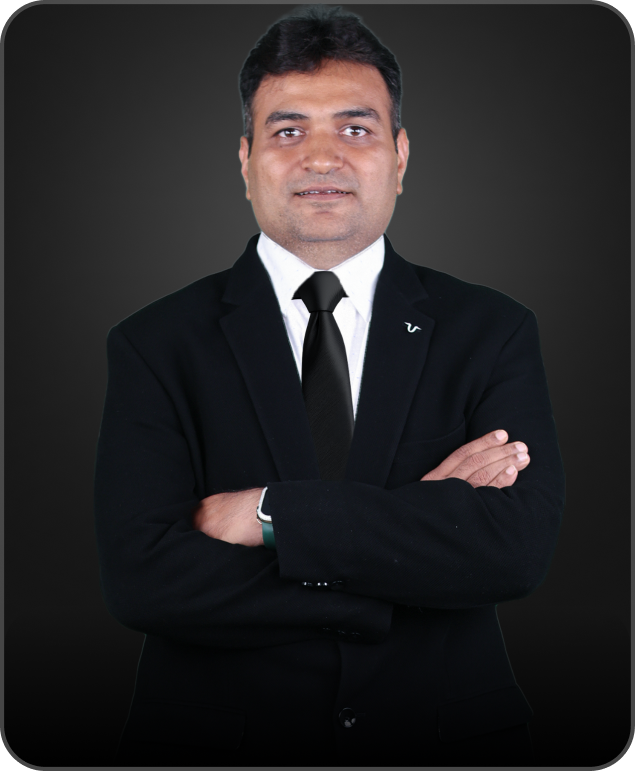
With over 20 years of unparalleled experience at the forefront of digital dental technology, I’m passionate about elevating dental care through state-of-the-art dental technologies. I remain dedicated to empowering dentists and practitioners by providing cutting-edge custom dental solutions that combine artistry, efficiency, and predictability, continuously exploring AI-driven design to shape the future of restorative dentistry.
Smile Design Before & After