Why Do Veneers Look Fake? Tips for a Natural-Looking Smile
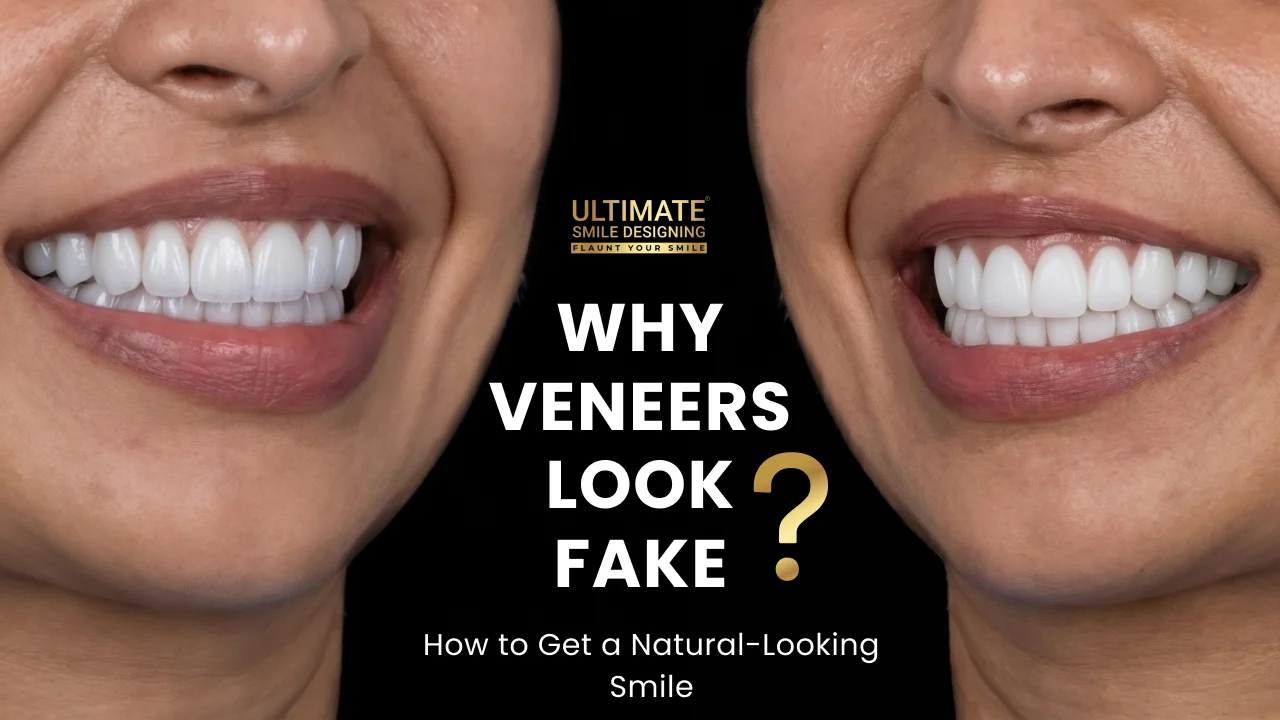
You've probably seen a smile makeover where the teeth look almost too perfect. They're extremely white; every tooth seems to have the same shape, or the veneers look a little too thick. The smile is bright, but it doesn't quite look natural.
This is something worth thinking about before getting veneers. Most people want their teeth to look better, not completely different. They want a smile that suits their face without making the dental work the first thing everyone notices.
That is the difference between a smile makeover and a natural-looking one.
In this guide, let’s look at why some dental veneers look fake, how shade, translucency, tooth proportions, and smile design affect the result, and what to discuss with your dentist before treatment to achieve a smile that feels like your own.
Why do Some Dental Veneers Look Fake?
Veneers can look artificial when their colour, shape or contours don't suit the surrounding teeth and facial features. Sometimes the problem is obvious, such as a very white shade. In other cases, it's the overall appearance of the teeth that makes the smile look unnatural.
The most common reasons are:
- Teeth look too large for the face
- The colour stands out against the complexion
- Every tooth looks almost identical
Veneers are Too White or Too Uniform
Choosing a very white shade might seem like an easy way to get a brighter smile. But when every tooth has the same bright, flat colour, the result can look artificial. Natural teeth have subtle variations, even when they appear healthy and well cared for.
Dentists check three aspects of colour during veneer shade selection :
- Value: This represents the brightness. Veneers brighter than the neighbouring teeth or the whites of the eyes can look chalky and ‘too white’. Veneers low in value look greyish.
- Hue: Veneers look slightly yellow, brown or grey next to natural teeth, even when the brightness is right.
- Chroma: Chroma naturally varies across teeth, usually higher near the gums and in the canines.
The brightest shade is not the best choice. During your trial appointment, expect gentle colour transitions, slightly deeper near the gums and lighter towards the biting edge.
Veneers Look Opaque Instead of Translucent
Natural teeth aren't completely solid in appearance. Enamel reflects light from its surface while allowing some light to pass through. This gives teeth depth, particularly around the biting edges.
When veneers don't have suitable translucency, they can look flat, chalky or lifeless. Instead of blending with the surrounding teeth, they may appear like solid covers.
Materials such as lithium disilicate, mostly used for E-max veneers , have different translucency options. Balanced veneer thickness against the underlying tooth colour determines the outcome.
Find Ultimate Smile Designers
Veneers are Big & Bulky
Sometimes, veneers look fake because the teeth appear too thick or pushed forward. This can happen when the contours don't follow the natural position of the teeth and gums.
Tooth size matters, but so does the relationship between the teeth. Their width, length, biting edges and position along the gum line all affect how the finished smile looks.
If these proportions aren't considered carefully, the teeth can look heavy or crowded. A shape that suits one person may not look right on someone else.
Small differences between neighbouring teeth also help a smile look natural. Making every tooth identical isn't always the best approach; the shapes need to work together without losing their individual character.
What Makes Veneers Look Like Natural Teeth?
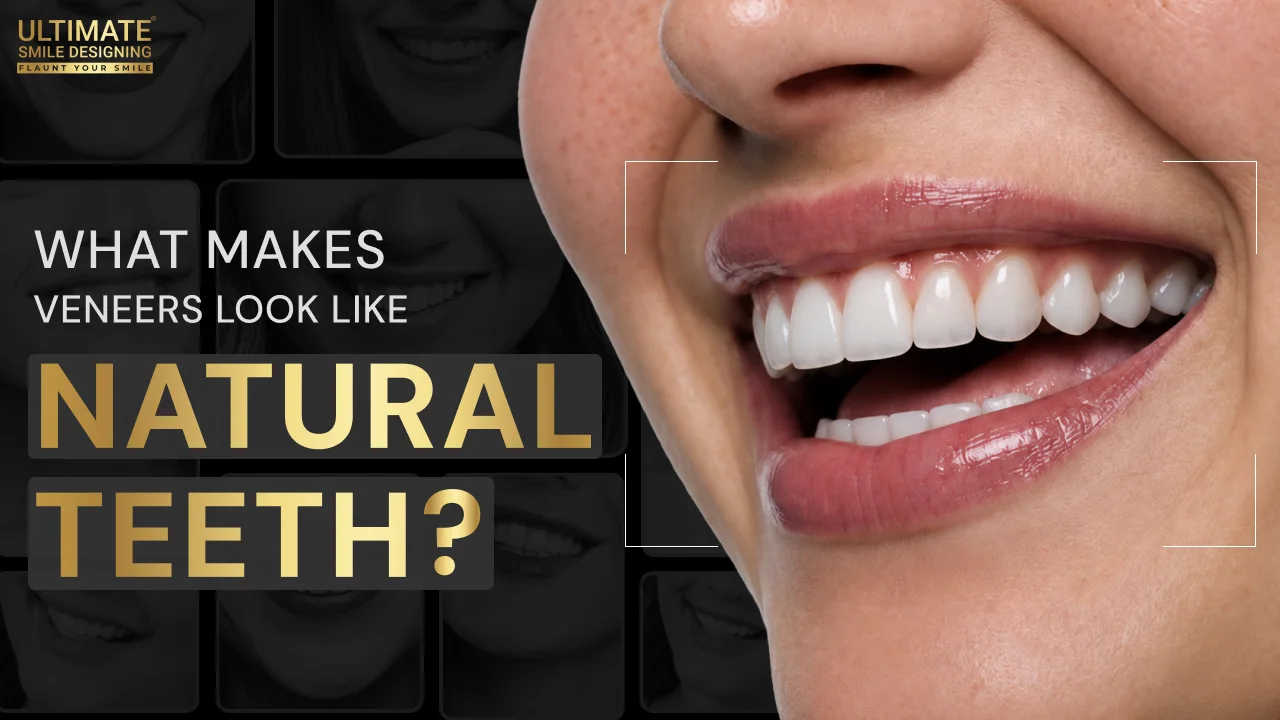
A natural-looking smile comes from several decisions working together. The ceramic material matters, but so do the shade, thickness, shape and surface finish. Choosing a particular brand alone doesn't guarantee that the veneers will look right.
Veneer Shade Selection
A good veneer shade selection guide starts with your existing tooth colour, neighbouring teeth and the brightness you want to achieve.
Your dentist will consider the neighbouring teeth, the desired brightness and the optical properties of the selected ceramic. The colour of the underlying tooth also matters because it can influence the final appearance.
Thin, translucent veneers allow more of the underlying tooth colour to show through. That may work well in some cases, but a different approach may be needed when the tooth is significantly discoloured.
Balance Thickness and Tooth Preparation
Veneer thickness affects both appearance and the ability to conceal discolouration. Excessive thickness can contribute to bulky contours, while a very translucent veneer may not adequately mask the dark underlying tooth.
Veneer preparation is planned around the intended final thickness and the material's requirements. A diagnostic wax-up or mock-up helps the dentist assess the proposed contours before preparing the tooth. This supports a more conservative approach.
No single thickness is ideal for every veneer. The right design depends on the condition of the tooth, the chosen material, the available space and the desired aesthetic result.
Surface Texture and Small Variations Matter
Natural enamel has fine surface features like ridges and growth lines that scatter light in different directions. Veneers with completely smooth surfaces and uniform contours reflect light like a mirror, with glare and a flat appearance.
A skilled ceramist at a high-quality dental lab considers surface texture, incisal character, contours and subtle variations when fabricating restorations. These details help the veneers blend with the surrounding teeth, giving them a life-like appearance.
How Smile Design Makes Veneers Look More Natural?
Smile design helps veneers look more natural by ensuring your new teeth are designed to suit your face, rather than following the same shape and size for everyone.
Before your veneers are made, your dentist studies how your teeth appear when you smile, speak, and relax your lips. This helps them plan the right tooth length, width, proportions, and positioning so your veneers blend naturally with your facial features.
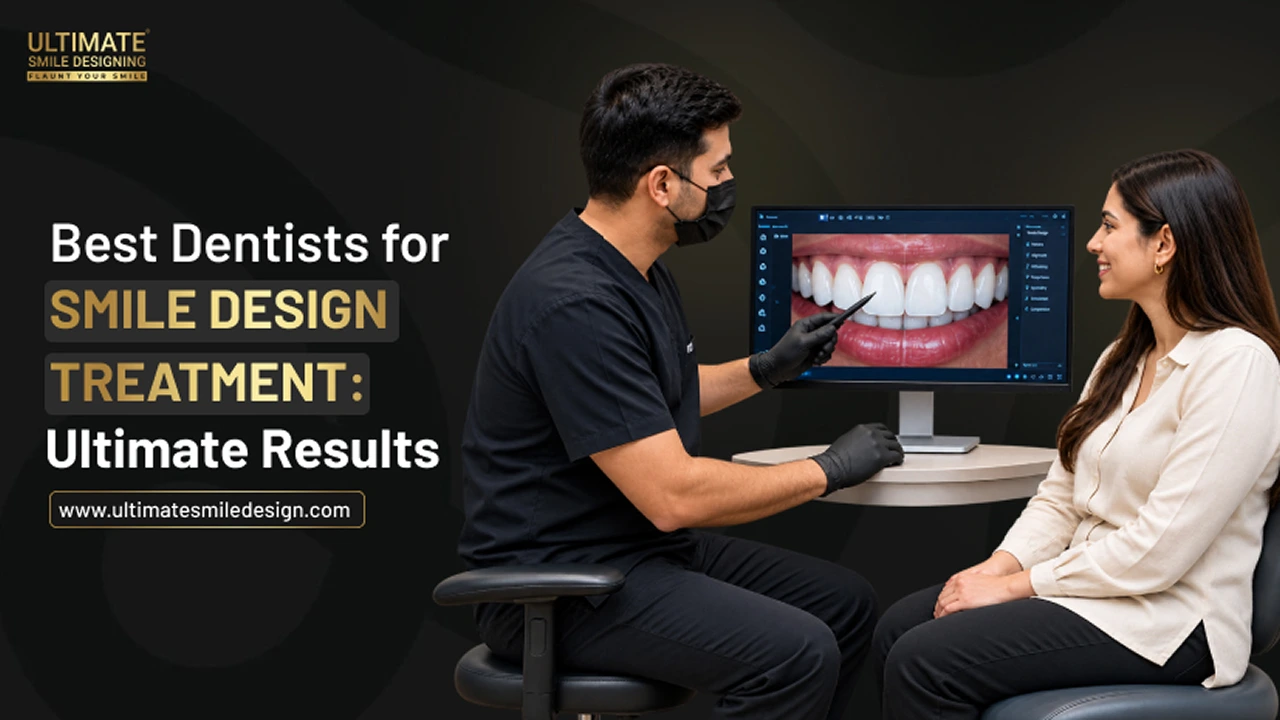
With Digital Smile Design , your dentist can also show you a preview of your proposed smile. In some cases, a temporary mock-up allows you to see how the planned veneers may look in your mouth before the final restorations are made. You can discuss adjustments to their shape, length, or overall appearance at this stage.
By planning these details together, smile design helps create veneers that complement your natural features instead of looking noticeably artificial.
Choose Ultimate Smile Design Veneers That Don't Look Fake

Ultimate Smile Design Veneers are designed to enhance your smile while maintaining a natural appearance that complements your facial features, without looking fake or artificial.
To create a balanced, harmonious appearance, the shape, size, colour, and proportions of your teeth are considered together. Rather than making every tooth look identical or overly white, the design preserves the natural character of your smile while enhancing its overall appearance.
The combination of appropriate shade selection, balanced tooth proportions, and natural-looking aesthetics helps Ultimate Smile Design Veneers blend harmoniously with your smile, making it look beautiful, balanced, and natural.
How to Avoid Fake-Looking Veneers Before Treatment
Ask to See Your Smile Design Before Final Veneers
Ask your dentist to show you a preview of the digital smile design , diagnostic wax-up or mock-up before you commit to the final restorations. Discuss the tooth size, shape, shade and degree of change you prefer.
Ultimate Smile AI allows you to preview a proposed smile before treatment. Treat the preview as a planning aid, and not an exact prediction of the finished veneers.
Ask Your Dentist About the Process for Veneers
A few practical questions can clarify how your preferred result will be achieved:
- How will you choose the shade and translucency for my teeth?
- What material do you recommend, and why?
- How much tooth preparation will be required?
- How will you communicate my preferences to the dental Lab and ceramist?
- Can I assess a mock-up before the final veneers are made?
A coordinated dentist-lab approach sets realistic expectations and translates your preferences into decisions that match them.
Can You Fix Veneers That Already Look Fake?
The right solution depends on what is causing the artificial appearance. Veneers that look too white, opaque, bulky or poorly proportioned need different assessments, so there is no single fix for every case.
Your dentist may recommend adjustments when clinically appropriate or suggest replacing the veneers if their shape, colour or contours cannot be corrected.
Replacement planning accounts for any tooth structure already removed, the condition of the underlying teeth and the space available for new restorations.
Do not try to reshape veneers yourself or assume polishing will fix every problem. Consult with a qualified smile design dentist to determine whether your existing veneers can be adjusted, should be replaced or are best left unchanged. The priority is to improve appearance without compromising tooth health or function.

With over 20 years of unparalleled experience at the forefront of digital dental technology, I’m passionate about elevating dental care through state-of-the-art dental technologies. I remain dedicated to empowering dentists and practitioners by providing cutting-edge custom dental solutions that combine artistry, efficiency, and predictability, continuously exploring AI-driven design to shape the future of restorative dentistry.
Smile Design Before & After