

Ultra Thin Veneers: A Complete Guide to Benefits, Costs & Care Tips
Snapshot
- Type: Ultra-thin, no-prep porcelain veneers
- Thickness: 0.3 – 0.5 mm (as thin as a contact lens)
- Procedure: No drilling or minimal enamel reduction
- Best for: Minor chips, discolouration, small gaps, mild shape correction
- Longevity: 8–15 years with proper care
- Result: Natural, translucent smile makeover without invasive dental work
Synopsis
Ultra-thin dental veneers redefine smile makeovers with their natural appearance and minimally invasive approach. Crafted from advanced, translucent ceramics, these no-prep veneers bond directly to the tooth surface with little to no enamel reduction.
This guide explains how ultra-thin veneers work, who they’re best suited for, and their key benefits, helping you choose a confident, natural-looking smile.
What are Ultra-Thin Veneers?
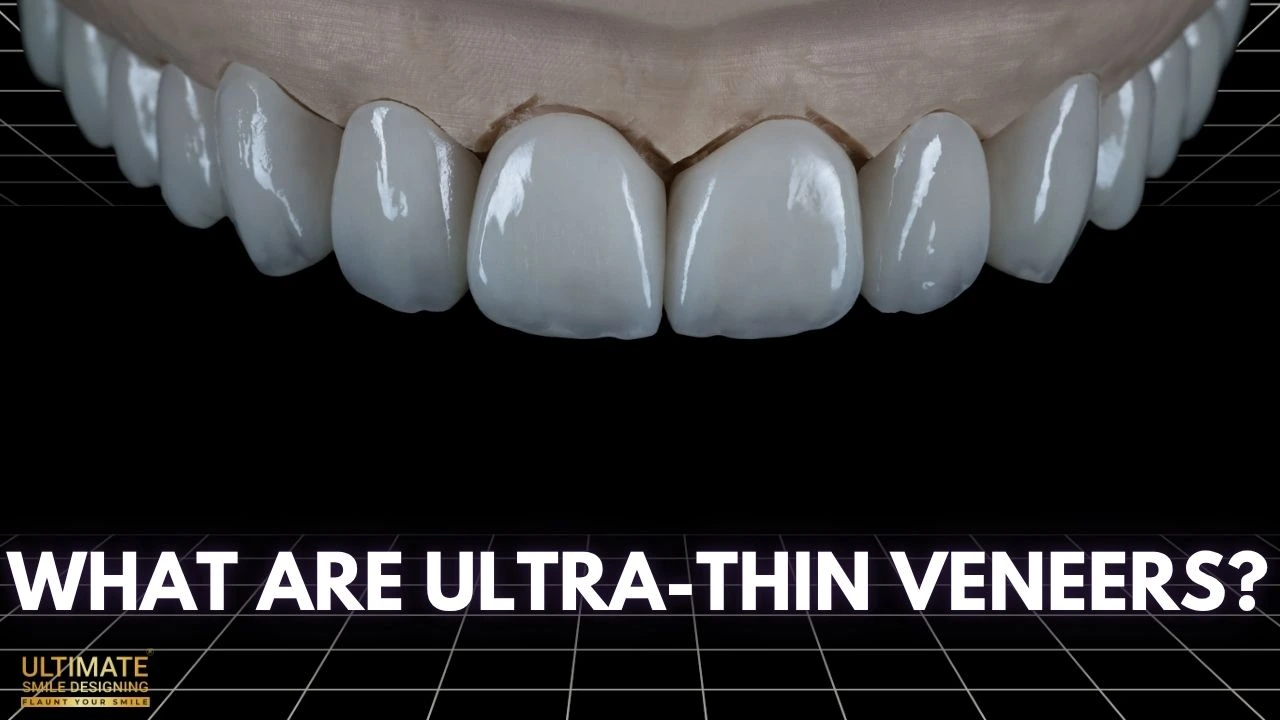
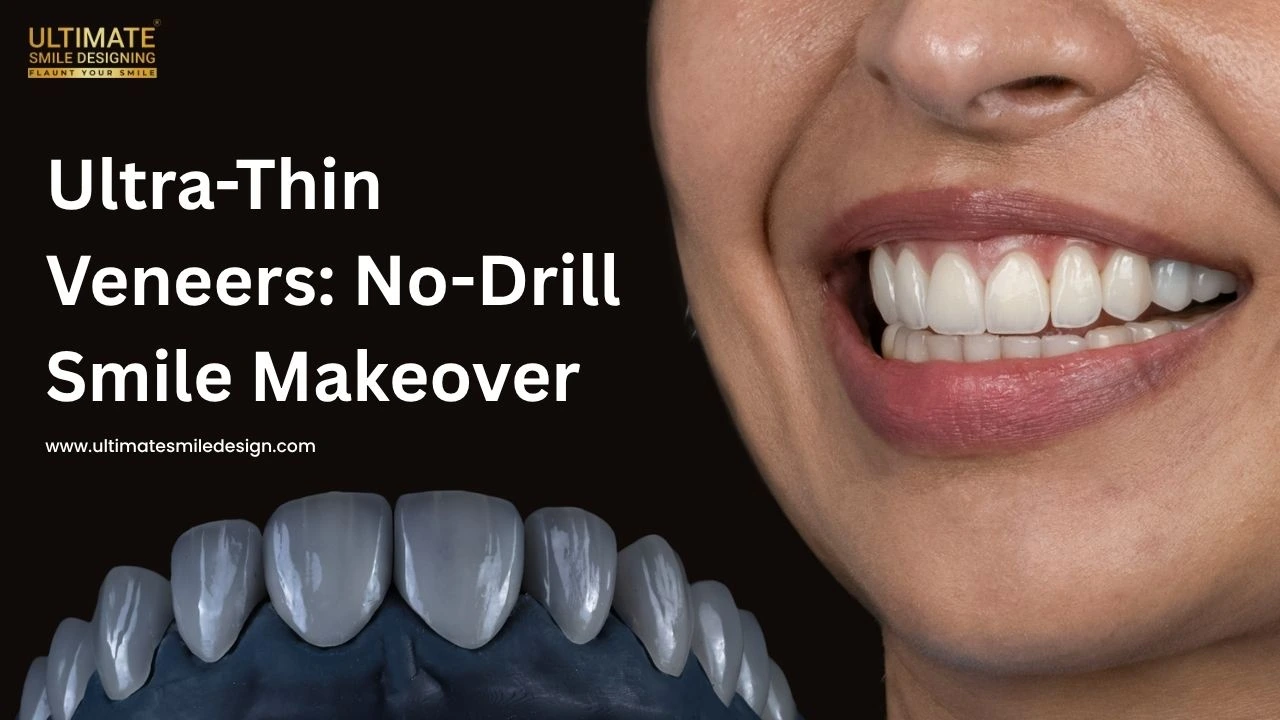
Ultra-thin veneers are custom-made, high-strength ceramic shells that enhance the smile with little to no alteration of natural teeth. Cosmetic dentists evaluate the enamel before recommending ultra-thin veneers , which are just 0.3–0.5 mm thick and designed to replicate the translucency and texture of natural enamel.
As these minimal prep veneers require little or no enamel reduction, they offer a conservative alternative to traditional veneers. Depending on the patient's enamel condition and cosmetic goals, dentists may recommend no-prep or minimal-prep veneers to achieve predictable, natural-looking results.
Who Needs Ultra-Thin Veneers?
Individuals with mild to moderate cosmetic concerns are ideal candidates for thin veneers.
Best candidates for ultra-thin no-prep veneers include those with:
- Mild discolouration resistant to whitening treatments
- Small chips, cracks, or uneven tooth edges
- Slight spacing or gaps between front teeth
- Minor alignment or shape irregularities
- A desire for a natural, long-lasting smile without drilling.
Thin veneers are ideal for patients with healthy enamel who want subtle cosmetic improvements while preserving as much natural tooth structure as possible.
Not suitable for:
- Severely crowded or misaligned teeth
- Patients with active gum disease or decay
- Teeth with large restorations or very thin enamel
- Habitual teeth grinders (unless protected with a nightguard)
How Long Do Ultra-Thin Veneers Last?
Ultra-thin veneers can last 8–15 years or more, with proper oral hygiene and regular dental check-ups .
Find Ultimate Smile Designers
Their longevity depends on factors like:
- Quality of the bonding procedure and materials used
- Oral hygiene and maintenance
- Avoidance of excessive force or grinding
- Routine dental polishing and professional cleaning
When cared for correctly, these thin veneers maintain their colour, shine, and natural translucency for years without staining or fading.
How Do Ultra-Thin Veneers Work?
The process is usually completed in two to three visits and includes the following steps:
Consultation and Digital Smile Design
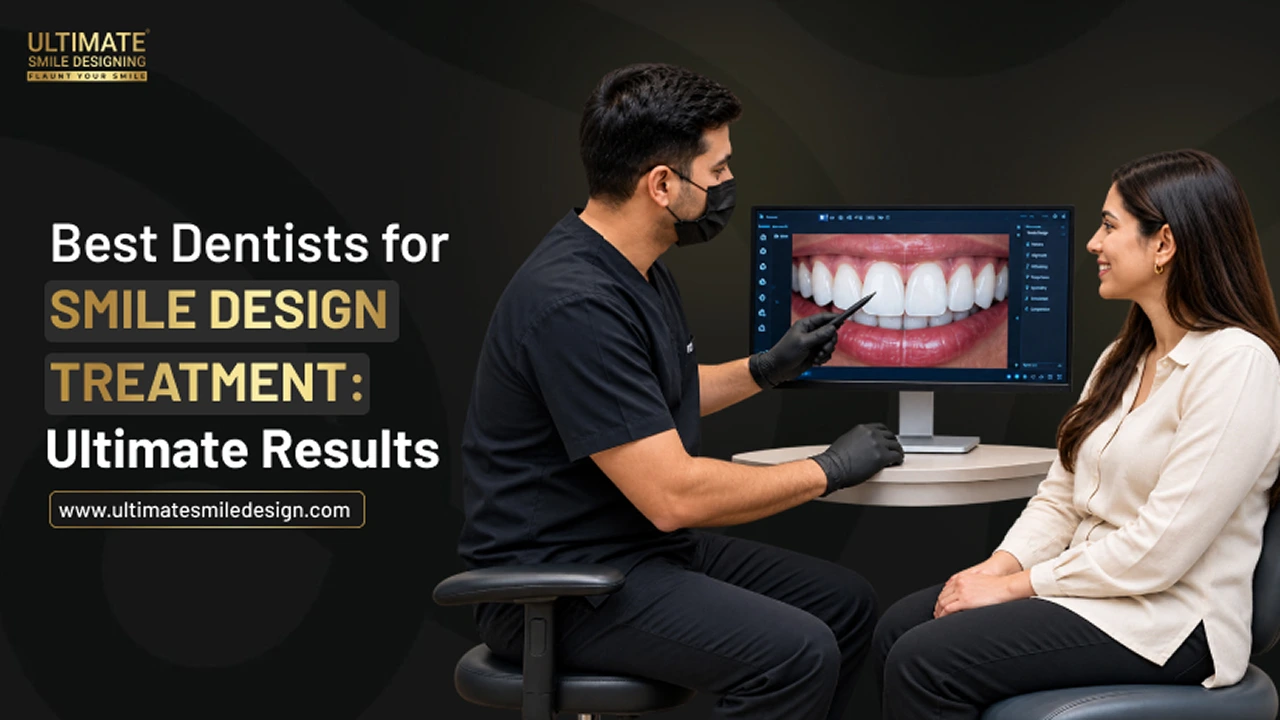
Your dentist assesses your goals & oral health. Using digital smile design (DSD) , you can preview your new smile virtually before treatment begins.
Impressions and Fabrication
Your dentist captures a 3D intraoral scan and forwards it to a trusted dental lab . Expert ceramists use state-of-the-art digital workflows and CAD/CAM systems to craft ultra-thin dental veneers. Expert ceramists precisely shade-match, contour, and texture the veneers to blend with your natural teeth.
Try-In and Bonding
During the final visit, your dentist temporarily places the veneers to evaluate their fit and appearance. Once you and your dentist approve the look and fit, the dentist bonds the veneers using advanced adhesive technology, with no drilling or injections required.
The result: a brighter, balanced smile that looks and feels like your own teeth.
What Is the 4-8-10 Rule for Veneers?
The 4-8-10 rule is a design guideline that helps dentists maintain natural smile proportions. It ensures that the central incisors, lateral incisors, and canines follow harmonious width ratios (4:8:10) for aesthetic balance.
Although not used in every case, this guideline helps create veneers that complement facial symmetry and produce balanced, natural-looking smiles.
What Are the Benefits of Ultra-Thin Veneers?
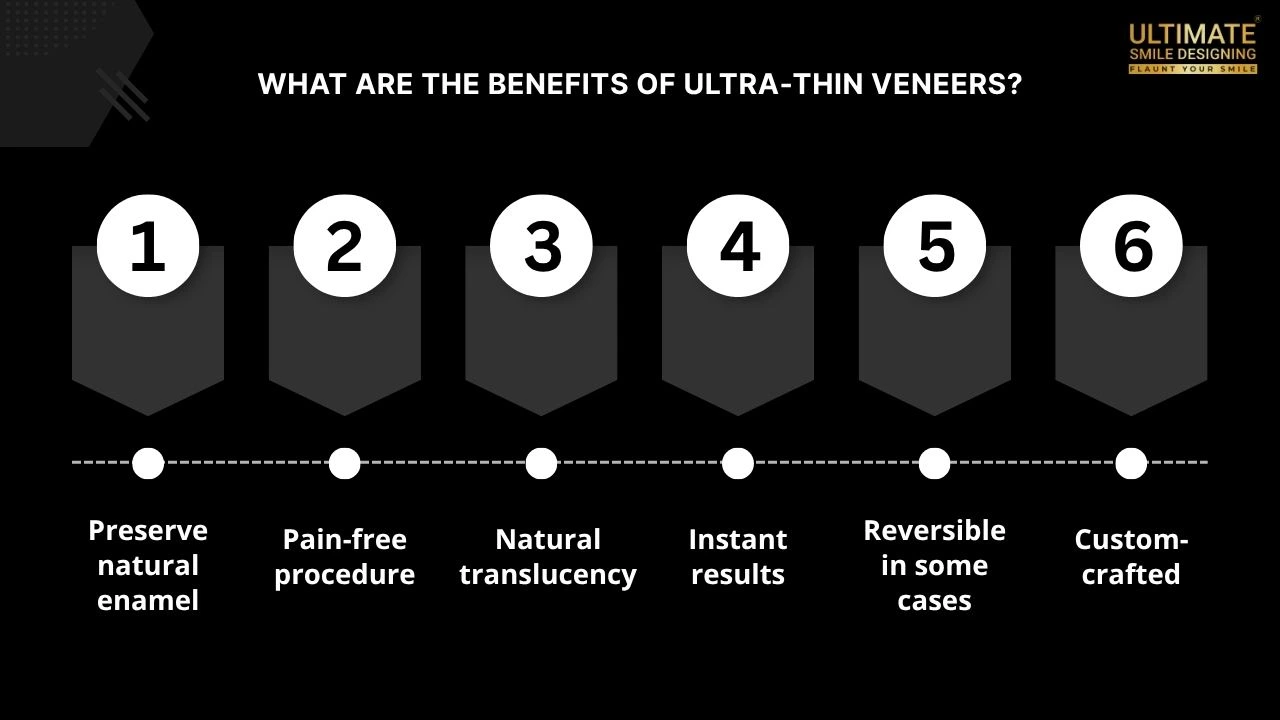
- Preserve natural enamel: With little to no tooth reduction, your original structure remains intact.
- Pain-free procedure: Most patients do not require anaesthesia or drilling.
- Natural translucency: Mimics real enamel, avoiding the “too white” or artificial look.
- Instant results: Usually completed in just two to three visits.
- Reversible in some cases: Especially when enamel remains untouched.
- Custom-crafted: Each of these minimal prep veneers is digitally designed to complement your facial features and create a natural-looking smile.
What are the Disadvantages of Ultra-Thin Veneers?
While no prep veneers offer numerous benefits, they are not suitable for every case:
- Limited scope for correction in severe discolouration or misalignment
- It may appear bulky on very prominent teeth if not designed carefully
- Studies show ultra-thin veneers require precise bonding techniques and lab precision
- Repair often requires total replacement
- Not suitable for patients with heavy biting or clenching habits
Your dentist will evaluate your bite, enamel thickness, and expectations before recommending this treatment.
Ultra-Thin Veneers Vs. Traditional Veneers
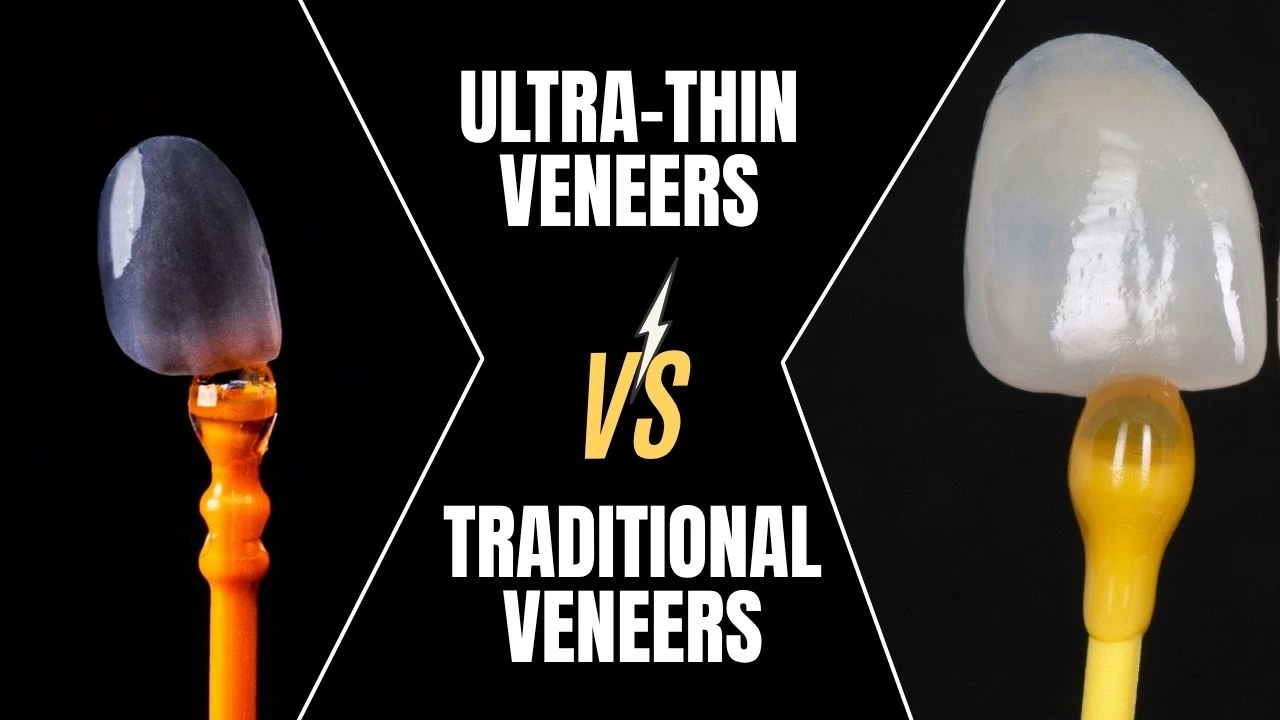
|
Aspect |
Ultra-Thin Veneers |
Traditional Veneers |
|
Tooth Preparation |
Minimal or none |
Requires enamel removal |
|
Thickness |
0.3–0.5 mm |
0.5–1.2 mm |
|
Comfort |
Painless, no anaesthesia |
May require reduction |
|
Aesthetics |
More translucent, lifelike |
Slightly opaque |
|
Durability |
Long-lasting for mild cases |
More appropriate for major correction |
|
Reversibility |
Possible (in no-prep cases) |
Permanent |
|
Procedure Time |
2–3 visits |
3–4 visits |
Why Choose Ultra-Thin Veneers Over Traditional Veneers?
Ultra-thin veneers offer a natural upgrade without the need for drilling or enamel reduction. They provide a reversible and minimally invasive solution for improving your smile.
However, complex cases involving severe damage or major alignment issues may still benefit from traditional veneers or orthodontic correction. The best choice depends on your unique dental profile, which should always be evaluated under the guidance of a professional.
Latest Advancements in Ultra-Thin Veneers Treatment
Modern dental technology has made ultra-thin veneers more precise, durable, and natural than ever before:
- Nanotechnology: Enhances the strength, translucency, and stain resistance of ceramic materials.
- AI in Smile Design: Uses digital simulations to predict smile design treatment outcomes with a high level of accuracy.
- Biomimetic Materials: Next-generation ceramics mimic the optical and mechanical properties of natural enamel for superior longevity and realism.
These innovations help ultra-thin veneers look natural and blend seamlessly with your existing smile.
How to Take Care of Your Ultra-Thin Veneers?
- Floss daily between veneers.
- Avoid biting on hard foods.
- Limit excessive coffee or wine to maintain shade.
- Schedule regular dental cleanings every six months.
- Use a nightguard if you grind your teeth during sleep.
Proper maintenance ensures your veneers remain radiant, durable, and free from edge staining for years.
Take Home Message
Ultra-thin veneers have redefined smile makeovers by blending artistry, technology, and preservation. They offer a painless, enamel-conserving way to achieve natural aesthetics without drilling or discomfort.
Always consult a qualified cosmetic dentist experienced in no-prep veneer systems and digital smile design. Precise technique and expert lab work help achieve results that look and feel natural.
FAQs
Ultra-thin veneers are very thin ceramic shells bonded to the front surface of teeth to improve their colour, shape, size, and overall appearance with little to no enamel removal.
No-prep veneers are ultra-thin veneers that dentists can often place without drilling or removing natural tooth enamel, making the procedure minimally invasive for suitable candidates.
Ultra-thin veneers require little or no tooth preparation, while traditional veneers usually involve removing a small amount of enamel to create space for the restoration.
People with healthy teeth and mild cosmetic concerns, such as small gaps, minor chips, slight discolouration, or uneven tooth shapes, are often good candidates for ultra-thin veneers.
With proper oral hygiene, regular dental check-ups, and good maintenance, ultra-thin veneers can typically last between 8 and 15 years or longer.
No. They can be maintained with regular brushing, flossing, routine dental visits, and by avoiding habits such as biting hard objects or grinding your teeth.

With over 20 years of unparalleled experience at the forefront of digital dental technology, I’m passionate about elevating dental care through state-of-the-art dental technologies. I remain dedicated to empowering dentists and practitioners by providing cutting-edge custom dental solutions that combine artistry, efficiency, and predictability, continuously exploring AI-driven design to shape the future of restorative dentistry.
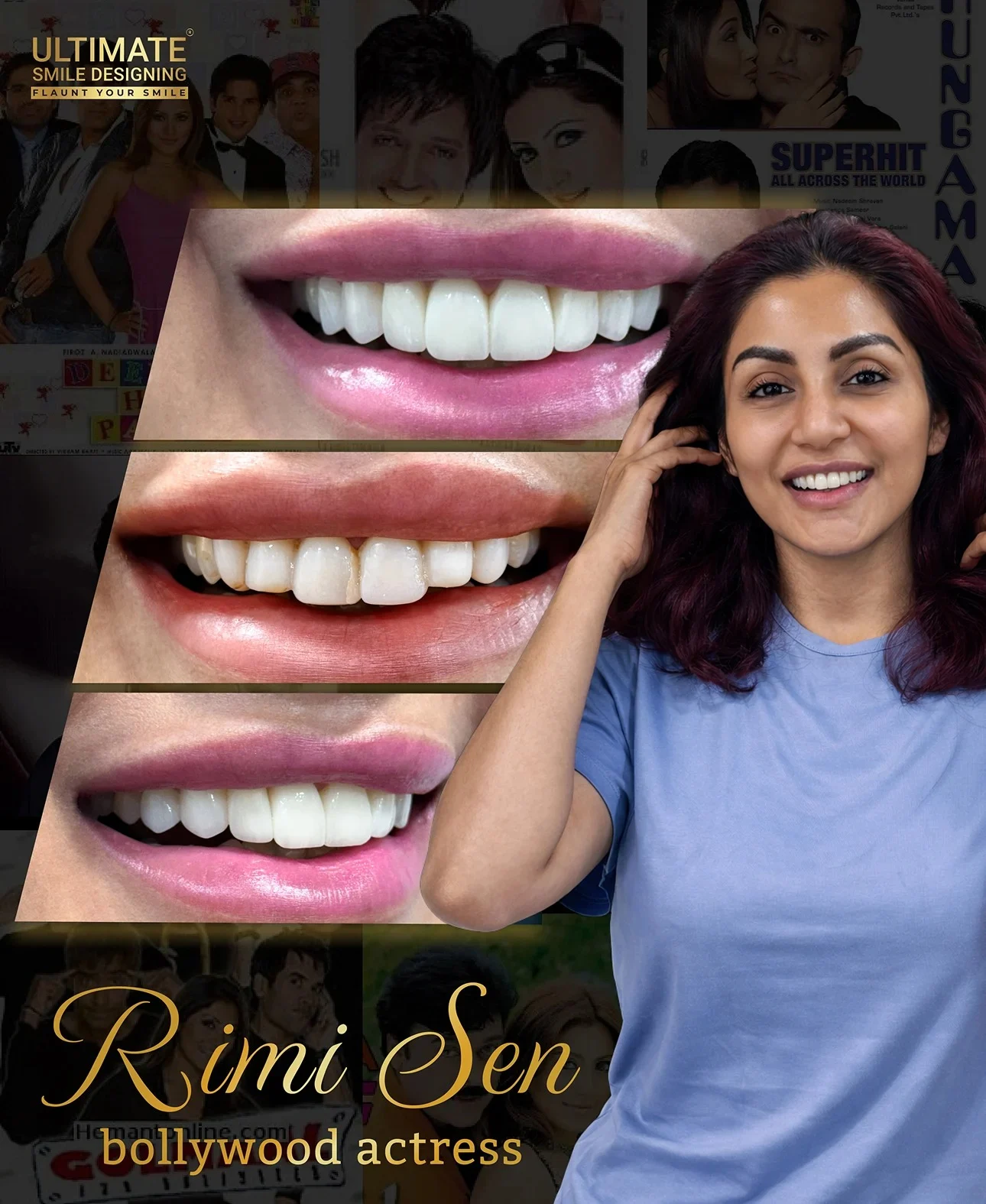
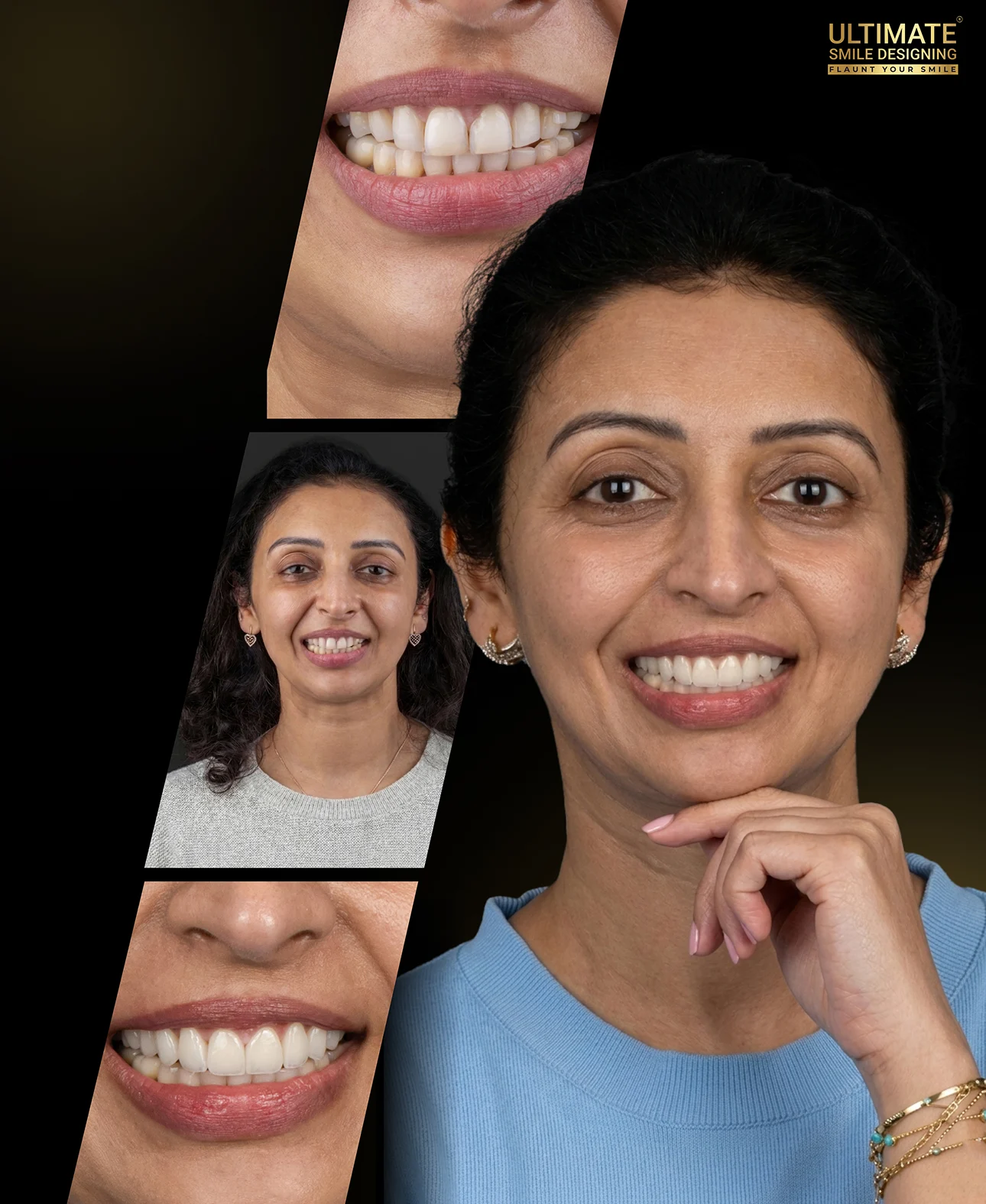
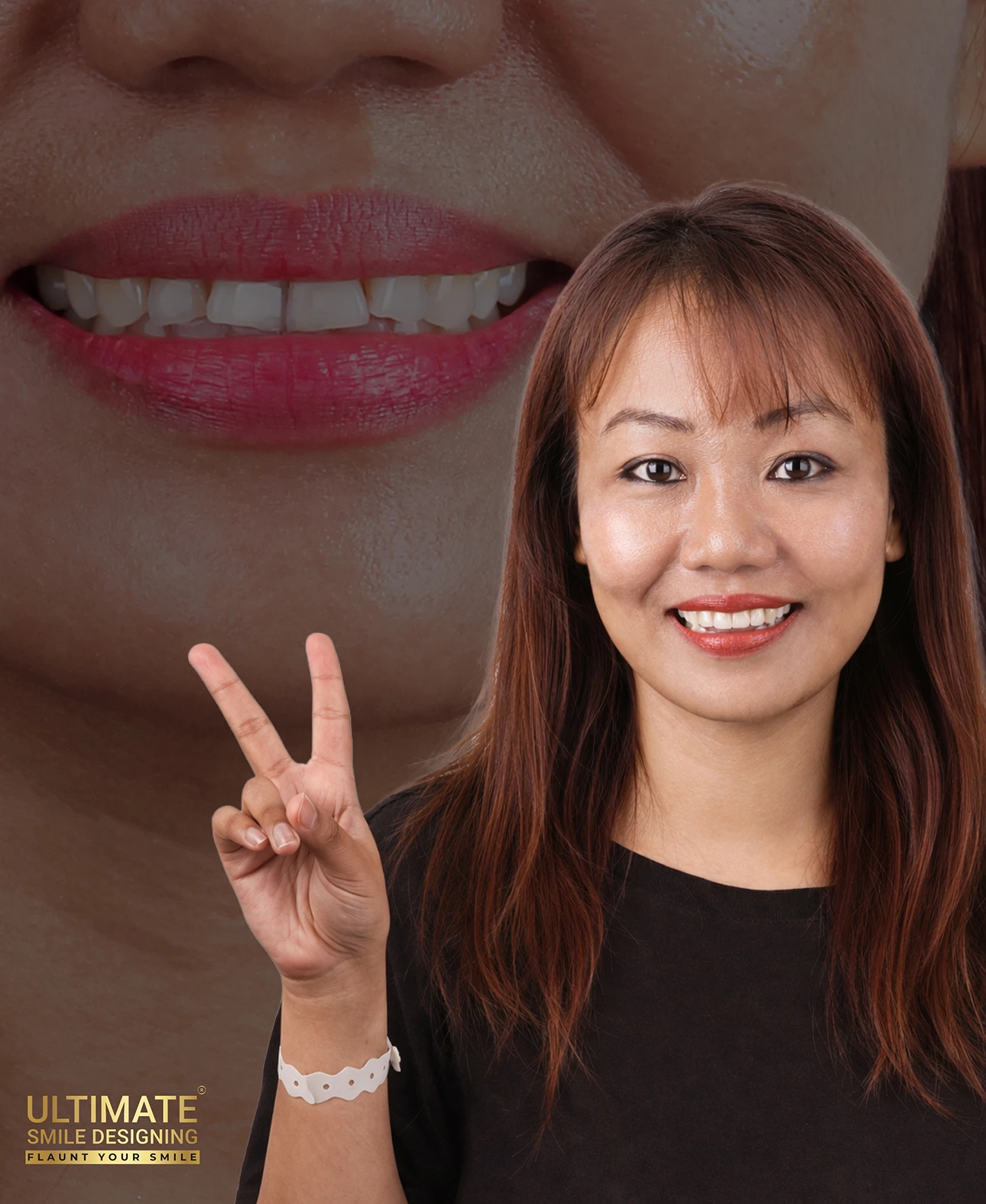
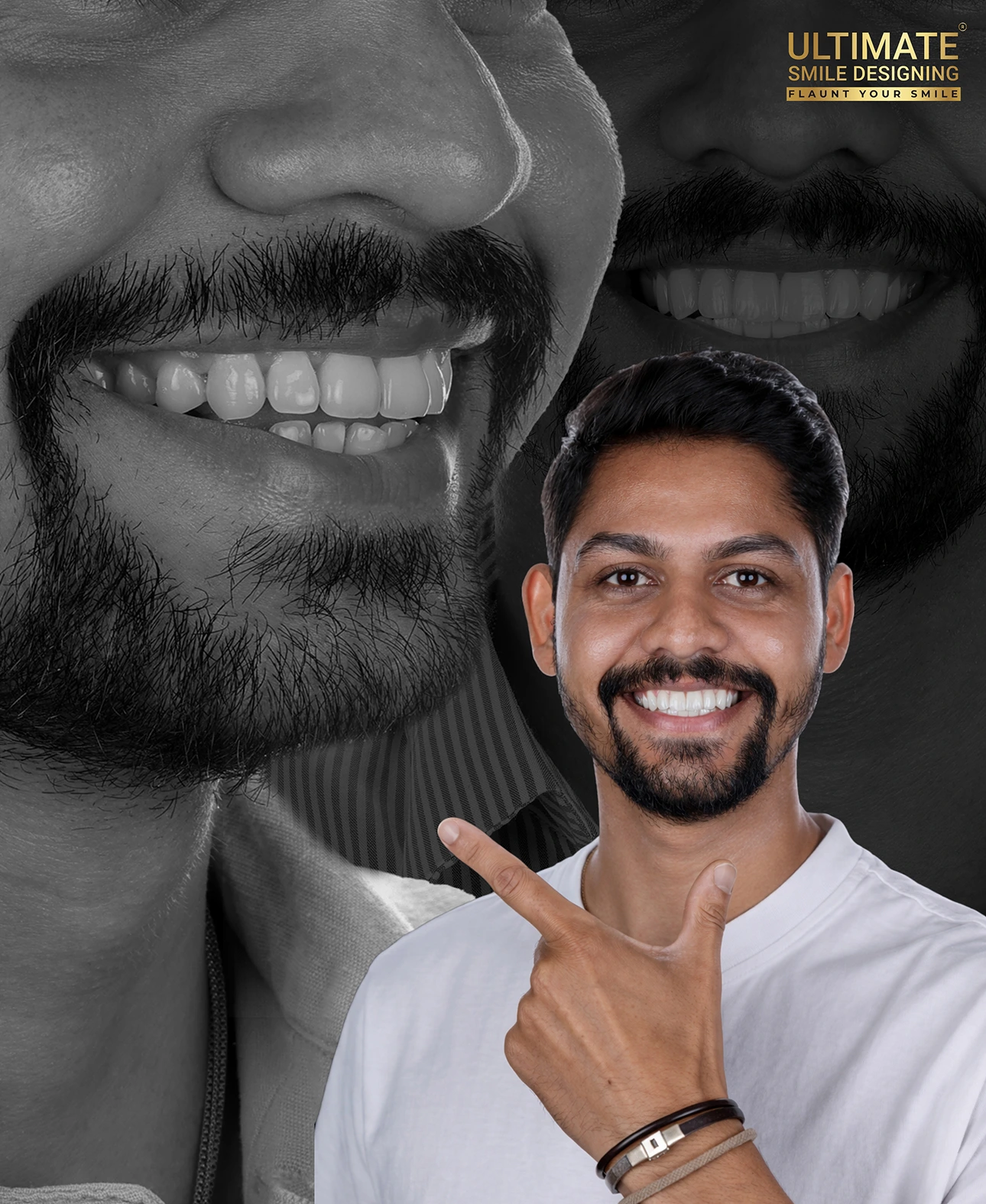
Smile Design Before & After