

Emax Veneers: Explore Benefits, Cost, Process & Role in Smile Design
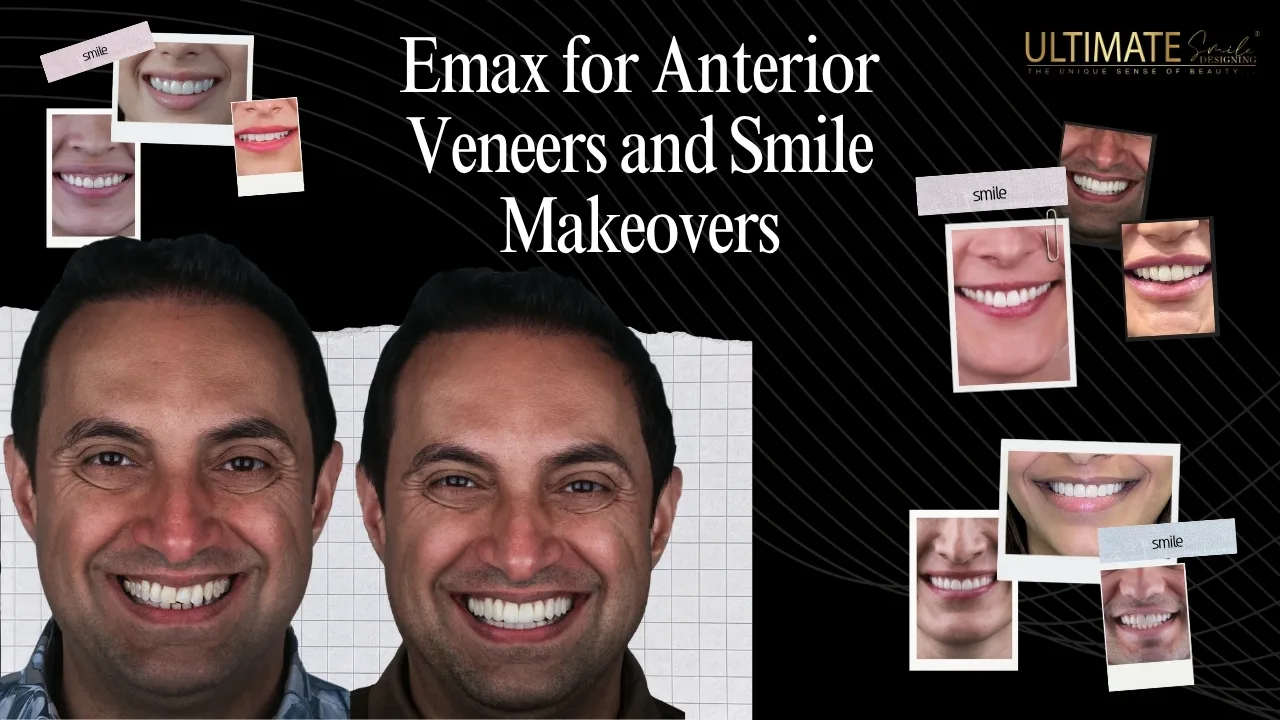
Snapshot
- Natural Aesthetics: Emax veneers have a lithium disilicate structure to replicate enamel translucency and depth with a highly natural finish.
- Precision-Led Treatment Planning: Digital impressions and smile design tools ensure accurate veneer fit, symmetry, and predictable visual outcomes.
- Conservative Tooth Preservation: Ultra-thin veneer options support minimal enamel reduction while maintaining reliable bonding strength.
- Stable Clinical Performance: Proven bonding protocols and controlled occlusion contribute to long-term veneer integrity and fracture resistance.
- Sustained Appearance Over Time: High polishability and stain resistance help Emax veneers maintain colour stability and surface smoothness.
Synopsis
Emax veneers, manufactured from lithium disilicate glass-ceramic, have become a leading solution for anterior restorations due to their natural appearance and reliable clinical performance.
Supported by CAD/CAM technology and digital smile design integration , Emax veneers allow dentists to plan and deliver conservative, patient-specific outcomes. When used in appropriate cases, they offer long-term durability without compromising facial harmony or tooth health.
What are Emax Veneers?
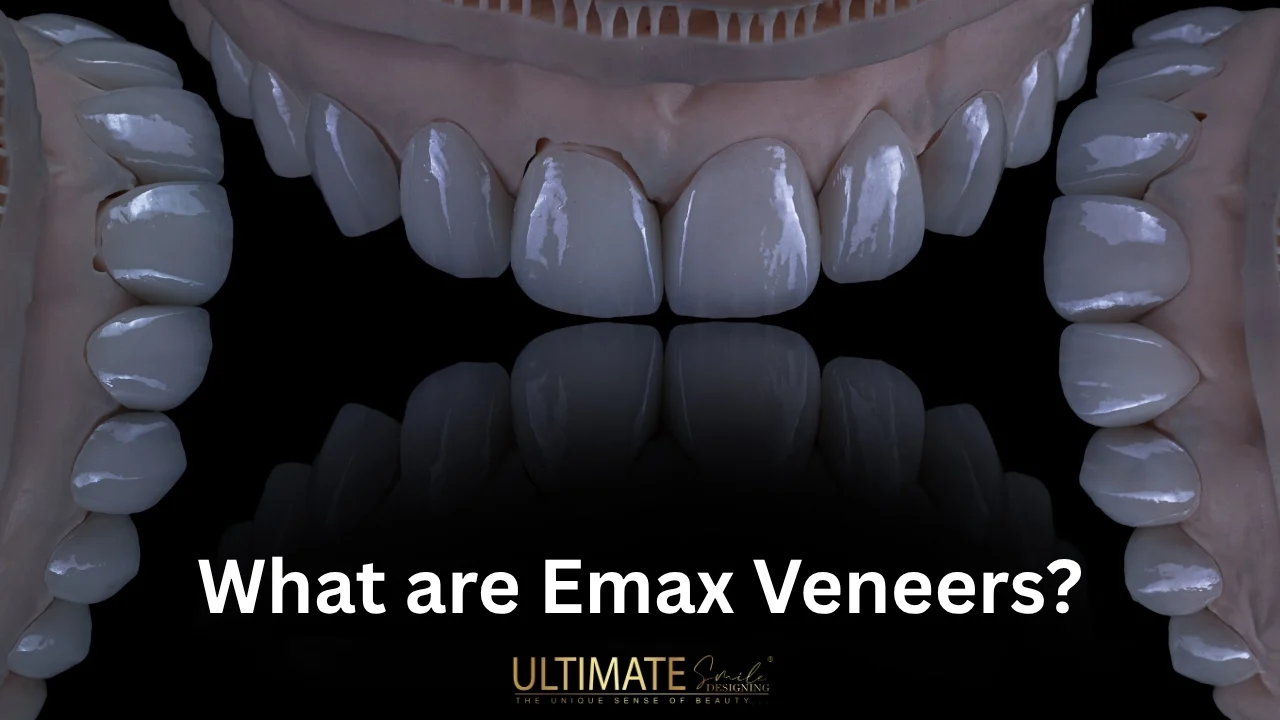
Emax veneers are thin ceramic restorations fabricated from lithium disilicate veneer material, known for its natural translucency and reliable strength.
- Material composition: Lithium disilicate glass-ceramic with high translucency and flexural strength.
- Aesthetic role: Improves tooth shade, surface texture, proportions, and symmetry.
- Tooth preparation: Requires conservative enamel reduction to support strong adhesive bonding.
- Bonding protocol: Resin cementation enhances fracture resistance and veneer longevity.
This combination allows Emax veneers to closely mimic natural enamel while maintaining predictable performance.
When to Choose Emax Veneers
Emax veneers are best in cases where natural appearance and tooth preservation take priority over maximum strength or colour masking.
- Anterior regions: Superior light transmission in visible zones.
- Enamel bonding: Ideal when margins are in enamel for superior bond strength.
- Ultra-thin restorations: Suitable for ultra-thin veneers where translucency is critical.
Case limitations: Less suitable for heavy occlusal loads or severe discolouration requiring masking
Benefits of Emax Veneers for Anterior Teeth
- Enamel-like translucency: High optical clarity allows light to pass through the veneer , mimicking the appearance of natural teeth and avoiding an opaque appearance.
- Reliable resin bond strength: Adhesive bonding improves stress distribution and reduces the risk of debonding over time.
- Colour stability: Lithium disilicate maintains shade consistency with minimal long-term staining.
- Minimally invasive design: Ultra-thin veneers preserve natural tooth structure and support biological health.
- Biocompatibility: Metal-free ceramic prevents plaque accumulation and promotes a favourable soft tissue response.
Find Ultimate Smile Designers
Because lithium disilicate is exceptionally strong, it allows ceramists to craft incredibly delicate layers without risking fractures. This makes Emax an ideal choice for minimal-preparation ultra-thin veneers that deliver high translucency and a perfectly natural look.
What is the Best Material for Anterior Veneers?
Lithium disilicate is the gold standard for aesthetic veneer materials in 2026.
- Offers superior optical integration compared to zirconia.
- Provides more predictable bonding than feldspathic porcelain.
- Balances aesthetics and durability for smile-zone restorations.
Material selection should always consider enamel availability, occlusal forces, and shade requirements.
Role of Emax Veneers in Smile Makeovers
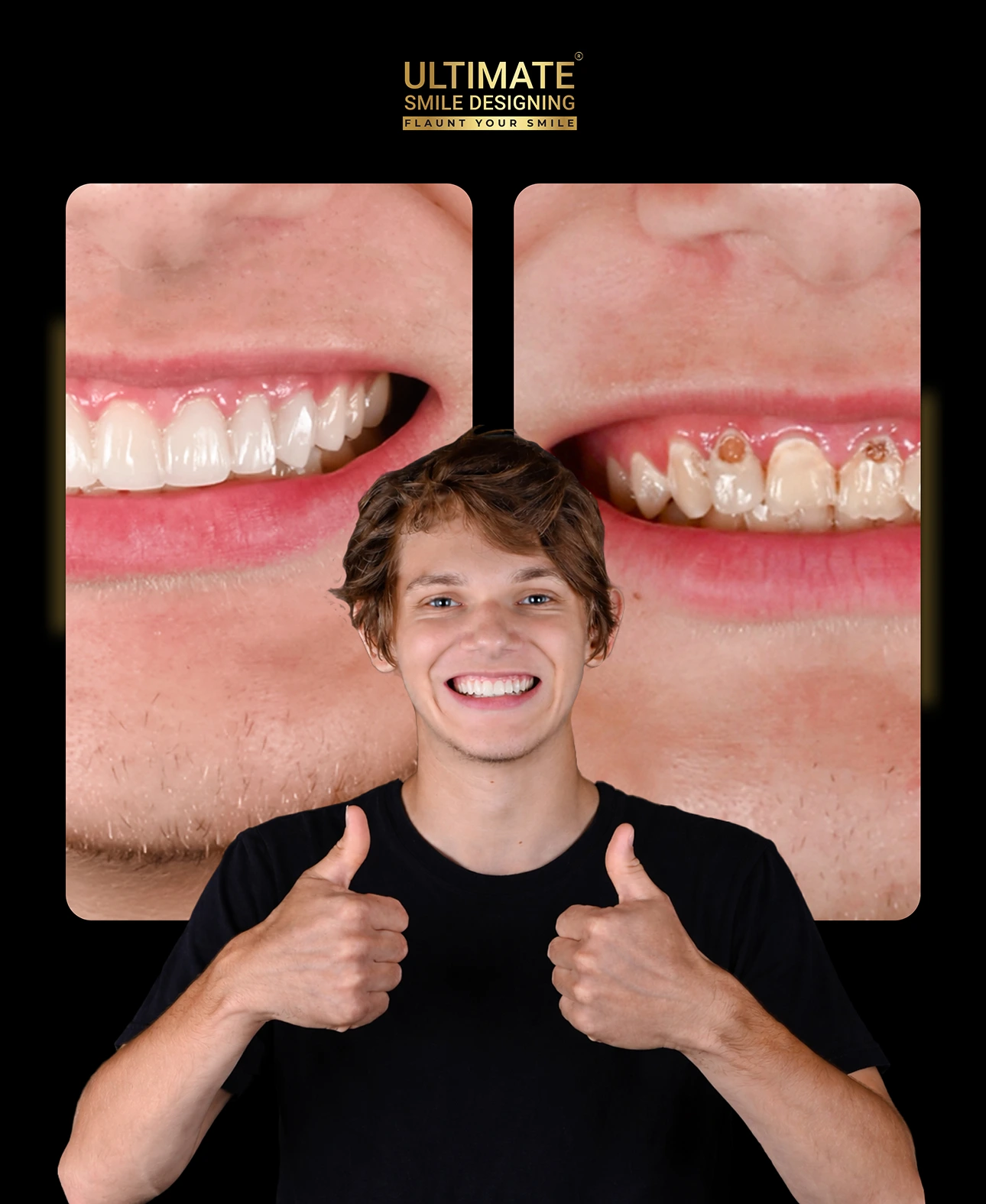
Emax veneers play a central role in anterior smile enhancement , allowing aesthetic correction without aggressive intervention.
- Corrects intrinsic stains, chips, gaps, and mild rotation.
- Enables facially driven planning through digital smile design integration.
- Supports balanced tooth proportions and symmetrical smile lines.
- Often combined with whitening or soft tissue contouring for complete outcomes.
Who is a Good Candidate for Emax Veneers?
Ideal candidates for Emax veneers include:
- Healthy enamel
- Stable periodontal conditions
- Mild to moderate aesthetic concerns
- Natural-looking, conservative smile enhancement
Note: EMax is not ideal for severe bruxism, deeper discolouration, or major malocclusion without additional corrective treatments.
Process of Getting Emax Anterior Veneers
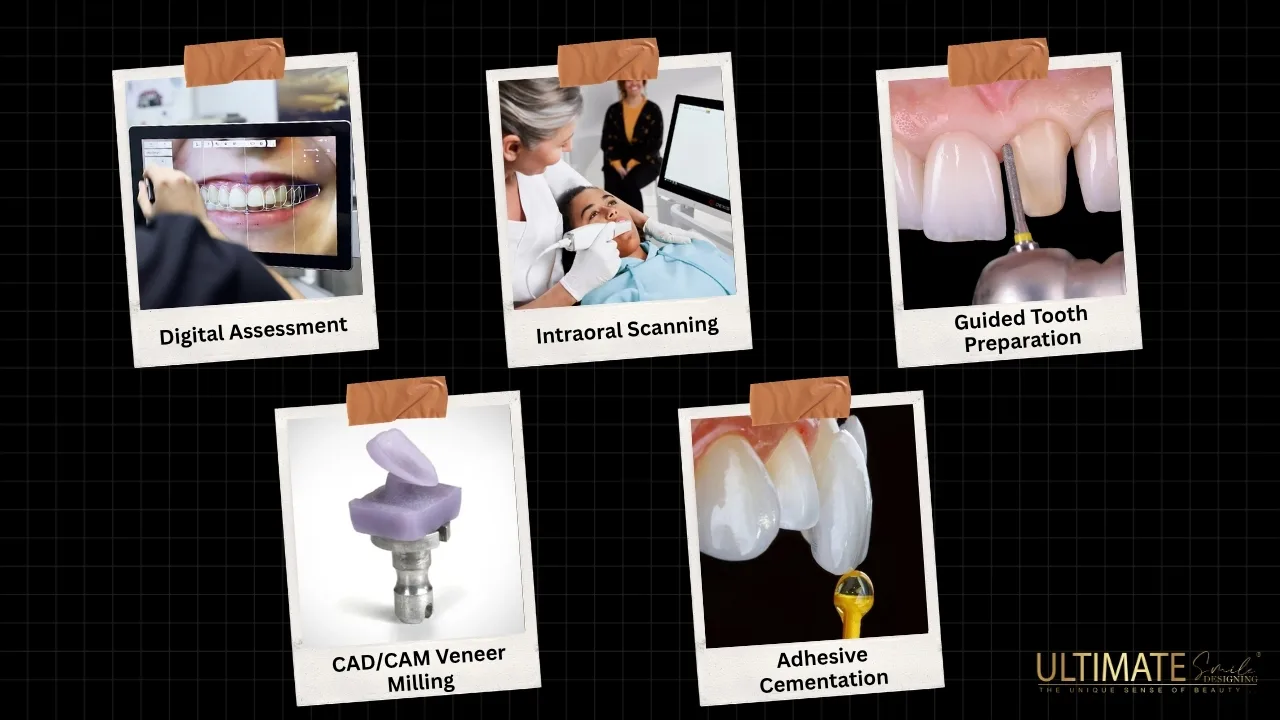
The Emax veneer process follows a structured, digitally guided workflow to ensure precision, aesthetics, and long-term stability while preserving natural tooth structure.
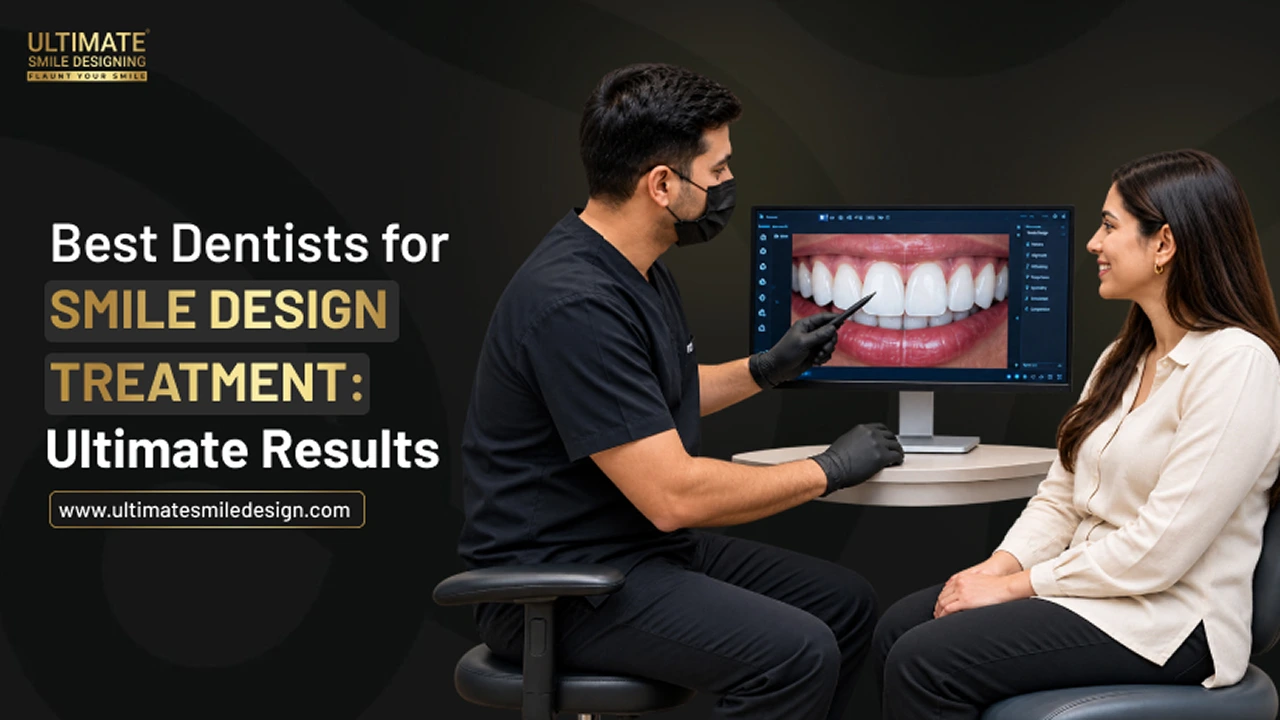
Digital Assessment
- Facial photographs and smile analysis evaluate tooth proportions, lip dynamics, and smile symmetry.
- Digital planning aligns aesthetic goals with functional bite considerations.
- Treatment outcomes are visualised in advance to guide predictable veneer design.
Intraoral Scanning
- High-resolution scans capture the tooth and margins.
- Eliminates the distortion associated with conventional impression materials.
- Provides accurate digital data for CAD/CAM Emax veneer fabrication.
Guided Tooth Preparation
- Enamel reduction is kept minimal and confined to the planned veneer thickness.
- Preparation is guided by digital design to avoid unnecessary tooth loss.
- Ensures optimal space for ceramic strength and natural contours.
CAD/CAM Veneer Milling
- Computer-guided milling produces veneers with uniform thickness and precise edges.
- Enhances marginal fit, surface smoothness, and shade consistency.
- Reduces fabrication variability compared to manual techniques.
Adhesive Cementation
- Veneers are bonded using advanced resin adhesive protocols.
- Strong enamel bonding improves fracture resistance and longevity.
- Final adjustments ensure proper bite contact and aesthetic integration.
How Long Do Emax Veneers Last on Front Teeth?
Emax veneers on front teeth typically last 10 to 15 years, with clinical studies showing survival rates of around 90-95%. Longevity depends on strong enamel bonding, balanced bite forces, and careful occlusal planning.
Proper surface polishing reduces the risk of fracture, while regular follow-up helps maintain veneer integrity and ensures long-term aesthetic performance.
Emax Vs. Porcelain Vs. Zirconia Veneers
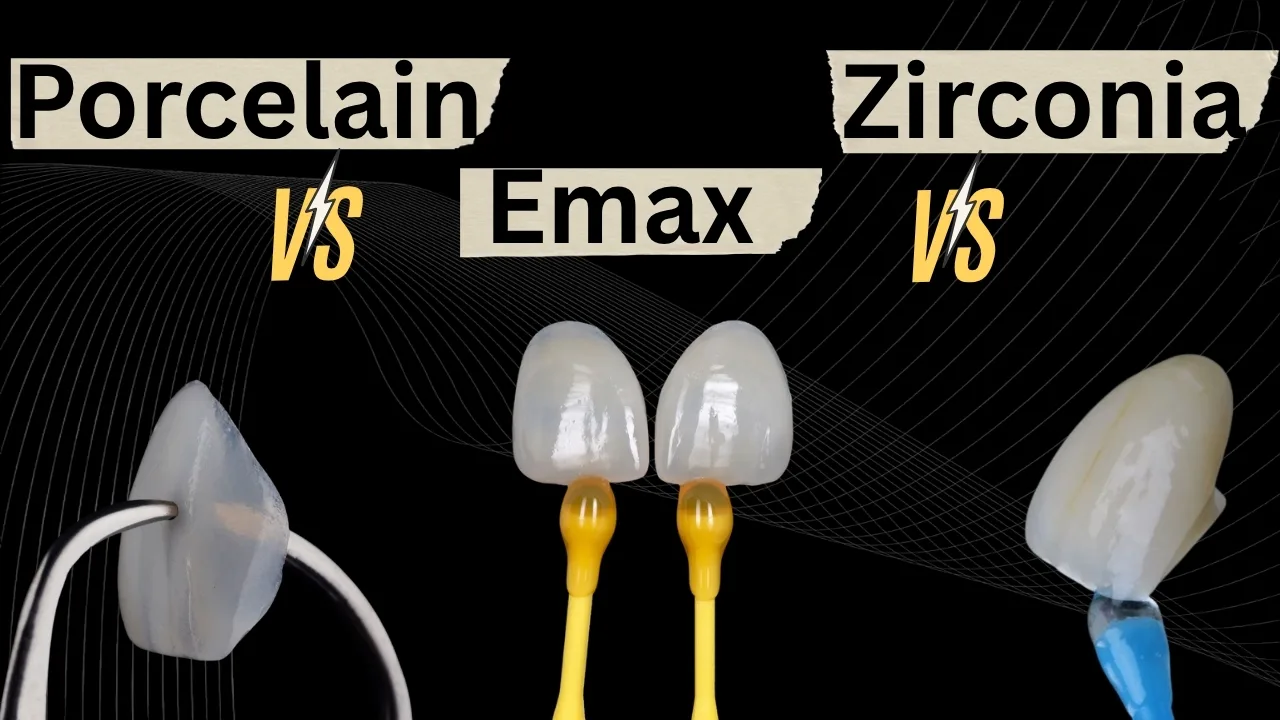
Before choosing a veneer material, it is important to understand how different ceramics vary in appearance, strength, longevity, and suitability for specific smile concerns.
This comparison table outlines the practical differences between commonly used veneer materials.
| Feature | Emax Veneers | Porcelain Veneers (Feldspathic) | Zirconia Veneers |
| Material Type | Lithium disilicate glass-ceramic | Traditional feldspathic porcelain | Yttria-stabilised zirconium dioxide |
| Translucency & Light Behaviour | High translucency that closely mimics natural enamel | Very high translucency with excellent surface detail | Moderate translucency, designed more for masking than light flow |
| Aesthetic Outcome | Natural depth, colour blending, and enamel-like appearance | Excellent aesthetics, but more technique-sensitive | Slightly opaque in thin veneers, improved with newer formulations |
| Strength & Fracture Resistance | Moderate to high strength suitable for anterior teeth | Lower strength, more prone to chipping | Very high strength, ideal for heavy bite forces |
| Veneer Thickness Required | Ultra-thin possible (0.3–0.5 mm) | Thin but fragile at reduced thickness | Requires more bulk (0.8–1.5 mm) |
| Tooth Preparation | Conservative enamel removal | Conservative but technique-dependent | More aggressive preparation is often required |
| Longevity | 10–15 years or longer with proper care | Shorter lifespan compared to Emax | 15–20 years or more in suitable cases |
| Best Clinical Use | Smile-zone anterior veneers prioritising aesthetics | Select cosmetic cases with ideal bite conditions | High-load cases or masking severe discolouration |
| Ideal Candidate Profile | Patients seeking natural-looking smile enhancement | Patients prioritising fine surface detail | Patients with bruxism or dark underlying tooth colour |
Emax veneers provide a well-balanced solution for anterior restorations. In India, standard Emax veneers typically cost between ₹5,000 and ₹25,000 per veneer. On the other hand, Premium Emax veneers from Ultimate Smile Design range from ₹25,000 to ₹75,000 per veneer.
Overall, the cost in India is significantly lower compared to the US and UK.
With advanced CAD/CAM workflows and high-quality dental laboratories such as Advanced Dental Expert (ADE) , clinicians can deliver premium anterior aesthetics while patients benefit from global standards at a fraction of the international cost.
Are Emax Veneers More Aesthetic Than Zirconia for Front Teeth?
Yes, Emax veneers are generally more aesthetic than zirconia for front teeth. Made from lithium disilicate, Emax allows light to pass through and reflect much like natural enamel, creating depth and life-like translucency.
While modern high-translucency zirconia has improved visually, Emax remains the preferred option in smile-zone restorations where natural appearance is the top priority.
Take Home Message
Emax veneers represent the gold standard for anterior smile makeovers in 2026 by delivering the ideal balance of natural aesthetics, conservative tooth preservation, and long-term clinical reliability.
With enamel-like translucency, strong adhesive bonding, and seamless integration with digital smile design, Emax veneers allow predictable, minimally invasive enhancement of the smile zone.

With over 20 years of unparalleled experience at the forefront of digital dental technology, I’m passionate about elevating dental care through state-of-the-art dental technologies. I remain dedicated to empowering dentists and practitioners by providing cutting-edge custom dental solutions that combine artistry, efficiency, and predictability, continuously exploring AI-driven design to shape the future of restorative dentistry.
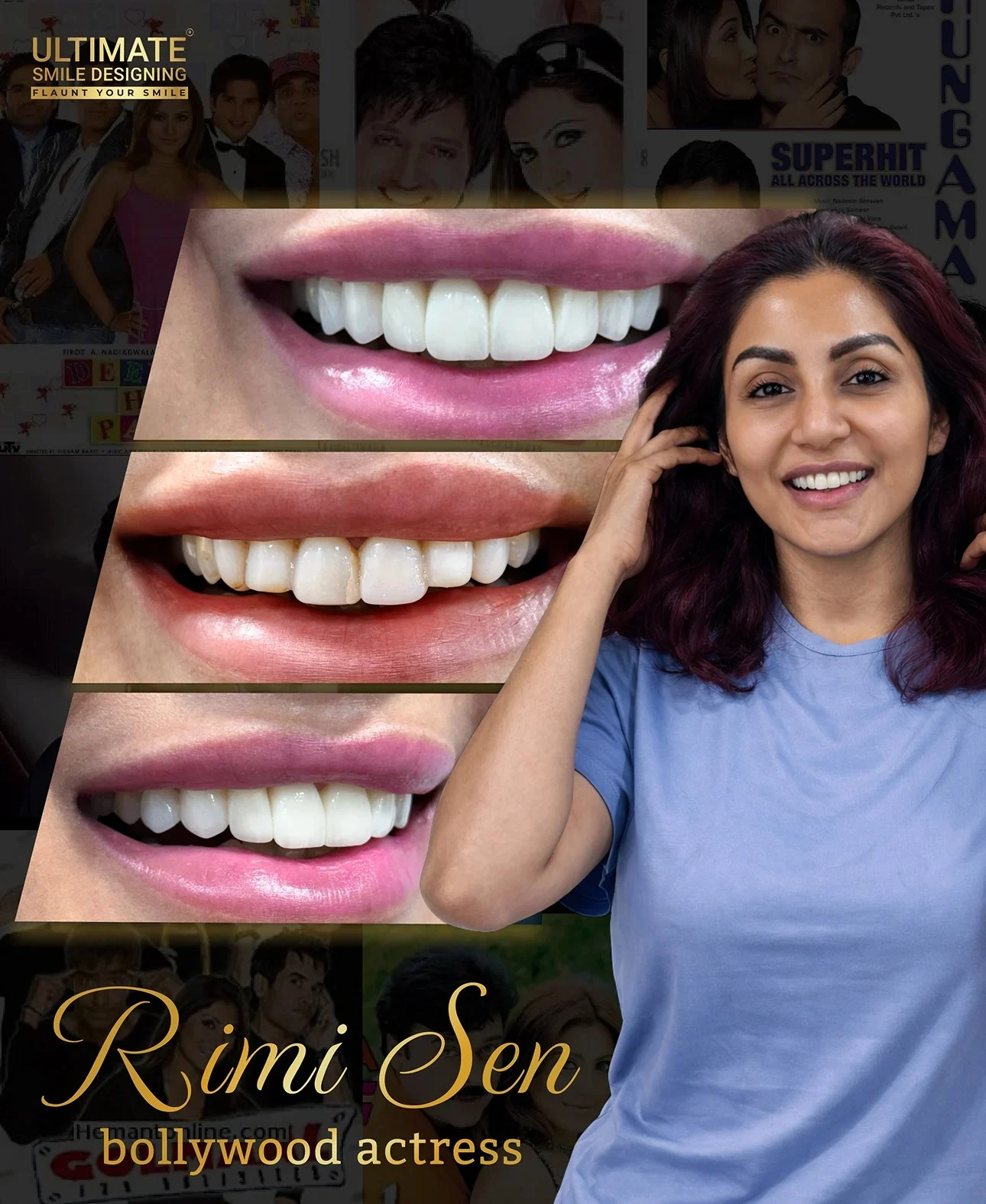
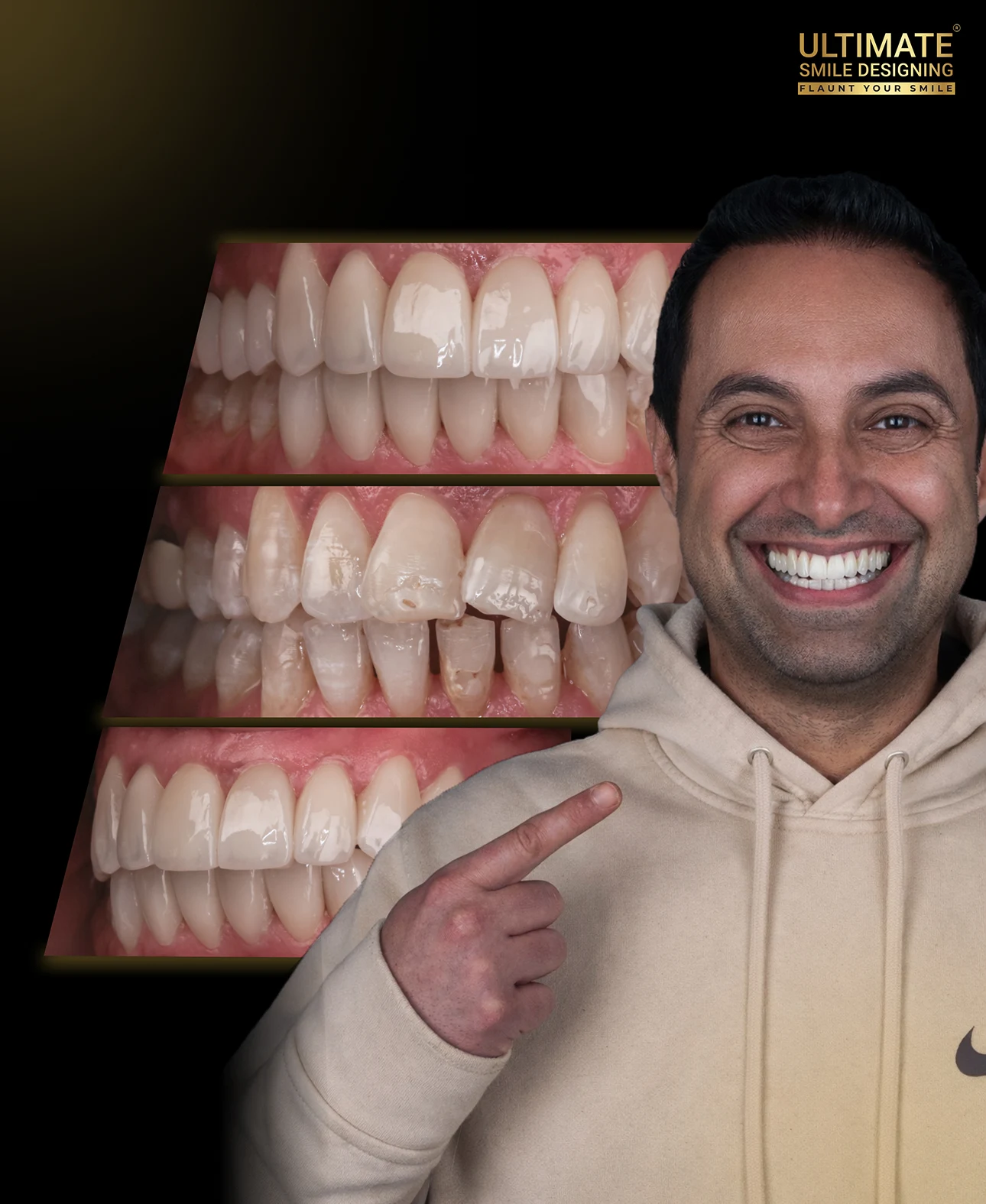
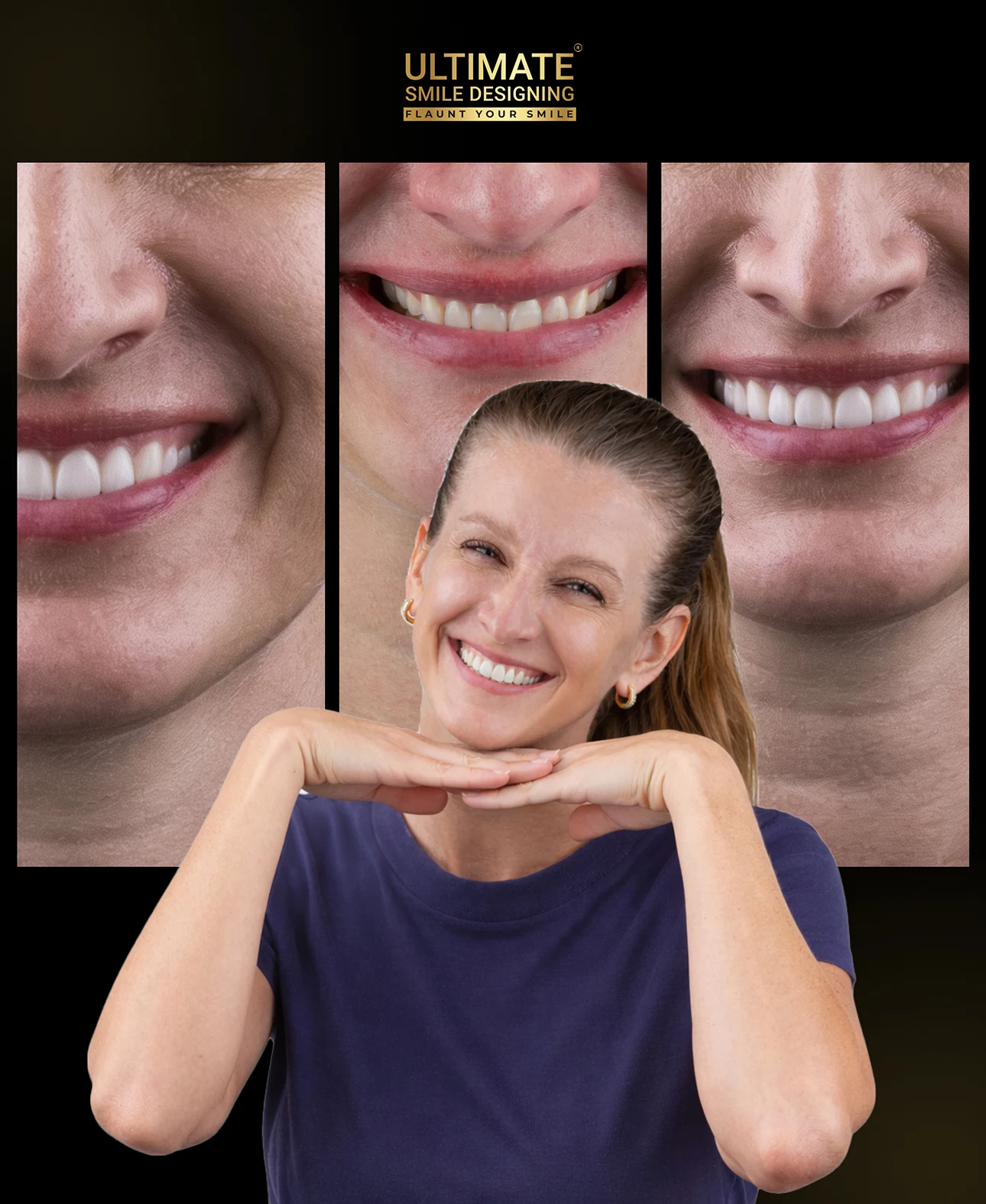
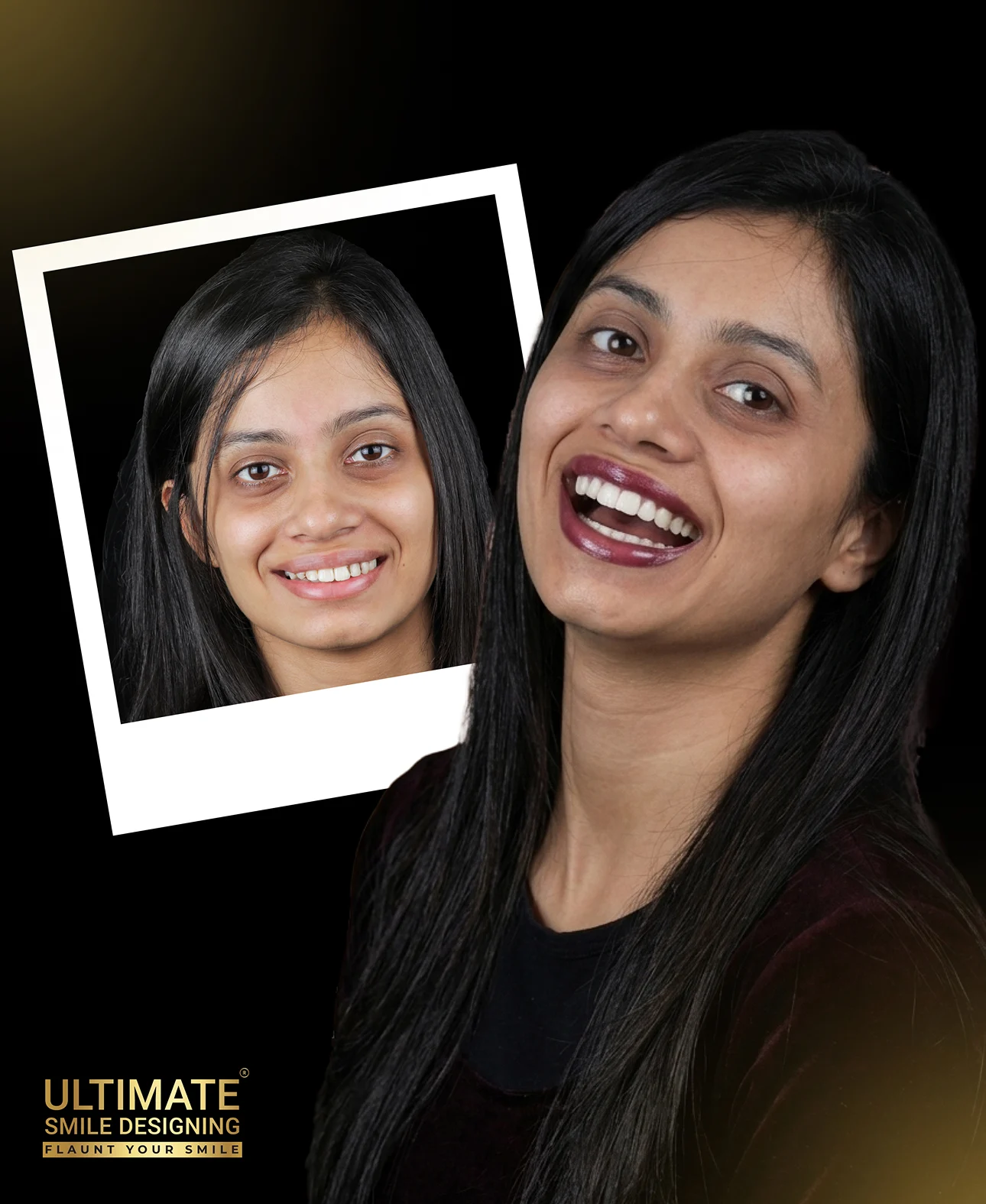
Smile Design Before & After